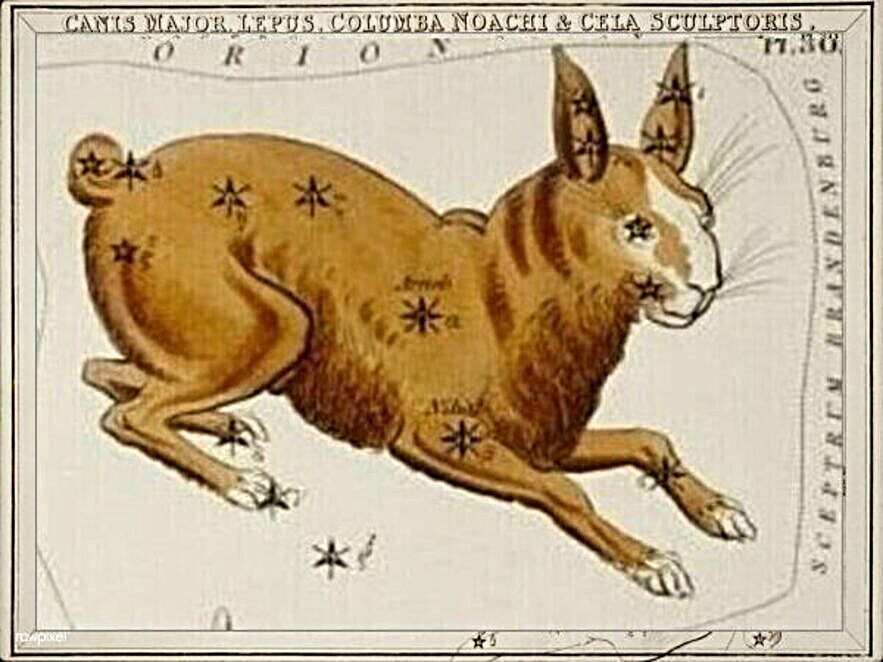
Constellations of the Month: January – Lepus:
We continue January with the constellation of Lepus, “The Hare.”
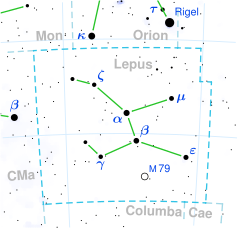
Lepus constellation map courtesy of Openverse
Lepus, “The Hare” – Lepus, the hare is a constellation located in the southern celestial hemisphere, positioned directly beneath the feet of Orion. Its name translates to “the hare” in Latin. The constellation was first documented by the Greek astronomer Ptolemy in the 2nd century. The name Lepus is pronounced /ˈliːpəs/, and in English, it is referred to as the Hare. The genitive form used for star nomenclature is Leporis, pronounced /ˈlɛpərɪs/. The three-letter abbreviation, which was established by the International Astronomical Union (IAU) in 1922, is Lep. Additionally, there are no meteor showers linked to Lepus.
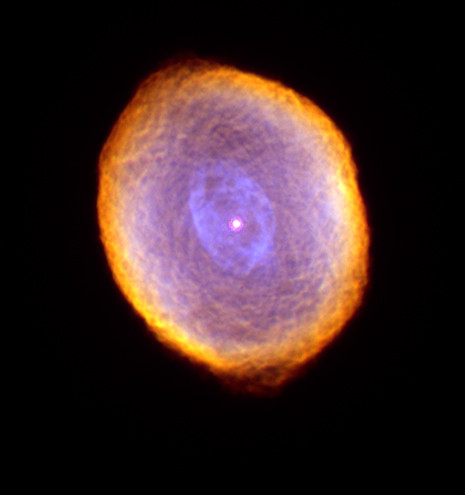
Spirograph Nebula courtesy of Openverse
Key points regarding Lepus:
- Meaning: The term “Lepus” translates to “hare” in Latin.
- Notable stars: The constellation’s most luminous star is Arneb, designated as Alpha Leporis, which has an apparent magnitude of 2.58. Lepus is notable for housing the well-known variable star R Leporis. commonly referred to as Hind’s Crimson Star, and also features one star that is known to have planets. The only other named star in Lepus is Nihal.
- Other features: Lepus contains several significant deep-sky objects, including Messier 79 ((M79, NGC 1904), the irregular galaxy NGC 1821, and the Spirograph Nebula (IC 418).
- Mythology: Lepus does not have a specific mythological association, it is occasionally illustrated as a hare being pursued by the legendary hunter Orion or by his hunting dogs, which are represented by the constellations Canis Major and Canis Minor.
- Visibility: Lepus ranks as the 51st largest constellation, covering an area of 290 square degrees. It is situated in the second quadrant of the northern celestial hemisphere (NQ2) and is observable at latitudes ranging from +63° to -90°. The constellations that border Lepus include Caelum, Canis Major, Columba, Eridanus, Monoceros, and Orion.
⁺‧₊☽◯☾₊‧⁺⋆⁺‧₊☽◯☾₊‧⁺⋆⁺‧₊☽◯☾₊‧⁺⋆⁺‧₊☽◯☾₊‧⁺⋆⁺‧₊☽◯☾₊‧⁺⋆⁺‧₊☽◯☾₊‧⁺⋆
Constellations:
| Constellations by Month | ||
| JANUARY [8] | FEBRUARY [7] | MARCH [7] |
| Taurus | Camelopardalis | Lynx |
| Orion | Auriga | Cancer |
| Lepus | Gemini | Canis Minor |
| Caelum | Monoceros | Pyxis |
| Reticulum | Canis Major | Vela |
| Dorado | Columba | Carina |
| Pictor | Puppis | Volans |
| Mensa | ||
| APRIL [8] | MAY [7] | JUNE [6] |
| Ursa Major | Canes Venatici | Ursa Minor |
| Leo Minor | Coma Berenices | Boötes |
| Leo | Virgo | Libra |
| Sextans | Corvus | Lupus |
| Crater | Centaurus | Circinus |
| Hydra | Crux | Apus |
| Antlia | Musca | |
| Chamaeleon | ||
| JULY [9] | AUGUST [9] | SEPTEMBER [6] |
| Draco | Lyra | Cygnus |
| Corona Borealis | Vulpecula | Delphinus |
| Hercules | Sagitta | Equuleus |
| Serpens | Aquila | Capricornus |
| Ophiuchus | Scutum | Microscopium |
| Scorpius | Sagittarius | Indus |
| Norma | Corona Australis | |
| Ara | Telescopium | |
| Triangulum Australe | Pavo | |
| OCTOBER [7] | NOVEMBER [8] | DECEMBER [6] |
| Cepheus | Cassiopeia | Perseus |
| Lacerta | Andromeda | Triangulum |
| Pegasus | Pisces | Aries |
| Aquarius | Cetus | Eridanus |
| Piscis Austrinus | Sculptor | Fornax |
| Grus | Phoenix | Horologium |
| Octans | Tucana | |
| Hydrus | ||
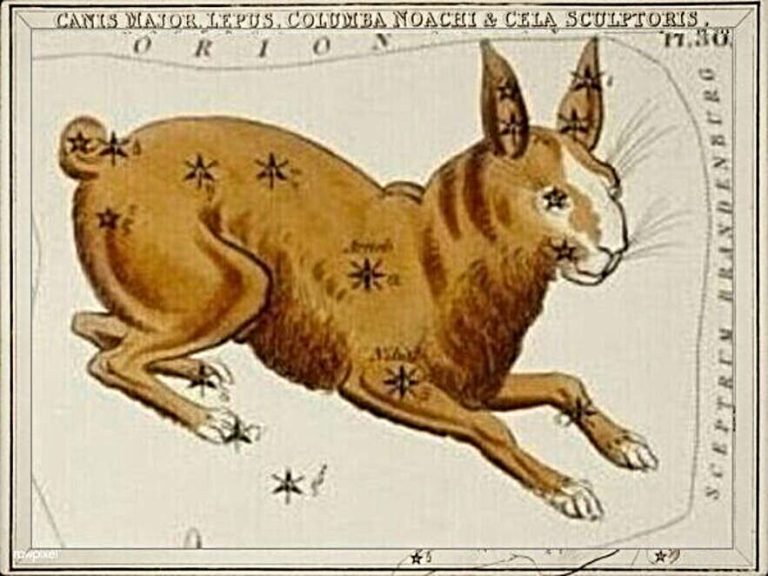
Sidney Hall’s (1831) astronomical chart illustration of the Canis Major, Lepus, Columba Noachi and the Cela Sculptoris. Original from Library of Congress. Digitally enhanced by rawpixel courtesy of Openverse
Constellations of the Month:
January – Lepus
Material may be shared for personal and educational use, Share with family and friends. The material cannot be used in an educational setting whereby a “book fee” is charged in or above tuition costs, and the material here is being used without paying a licensing fee.. AI must file an application for use of such material.
| You May Also Like. . . | |
 NASA 1997 Liftoff Special |
 NASA Mission Patch Party |
More on Versatileer:
![law_scales_1600886471.jpeg]()
How State Government Works – PART I of Freedom For Which the Flag Stands Series
09/23/2020![two_pac_2d0_12_00_20230805__ Eugene.jpg]()
From the Satellite...Pacific Tropical Storm Eugene on .GIPHY, Video + 2023 Season Info
01/28/2024![Road Trip,jpg]()
Happy National Road Trip Day - 2025
05/23/2025![wp-17109818267132120878636450975002.jpg]()
Featured Photo: Easter Flower of the Day '24 – Bouquet #4
03/27/2024![SMGN-SpringGiftGuide-NatGeoKIDSSMALLERversion-Giveaway.png]()
Ends 03-17 – Nat Geo Kids President’s Day Book Bundle Giveaway!
02/18/2024