Versatileer Brings you this post in regards to the “Play, Create, Connect: Hobbies That Make Ordinary Days Better” by Charlene Roth. The post contains reference materials courtesy and by permission of Safetykid.info. It is brought to you and made available only for personal reference.
Play, Create, Connect: Hobbies That Make Ordinary Days Better
by Charlene Roth – Visit the website by Safetykid.info
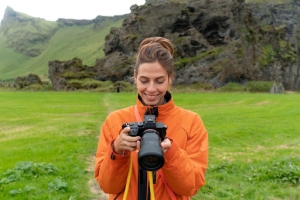
We all need a break from screens, schedules, and sameness. Picking up a hobby—something small, fun, and learnable—can transform your week. From snapping better photos to coding, painting, or dancing, hobbies build confidence while connecting you to others who share your spark.
Summary
Learning a new hobby—whether it’s photography, dance, coding, or cooking—adds creativity, energy, and connection to your week. Start small, mix online learning with real-world social time, and let curiosity guide you instead of perfection.
Seeing the World Differently with Photography
Photography isn’t about fancy cameras—it’s about noticing. You can start with your phone and a little curiosity.
Online start: Watch short videos on lighting and framing. Search for “beginner phone photography” or “composition basics.” Then join online communities that post weekly prompts (like “shadows” or “street signs”).
Offline connection: Organize a weekend photo walk. Invite friends, wander a neighborhood, and share your shots afterward. It’s social, creative, and free.
Why it matters: Photography teaches you to see—details, color, emotion. Over time, it becomes mindfulness disguised as art.
How Different Hobbies Stack Up at a Glance
| Hobby | Typical Cost | Learning Curve | Great For Building… |
| Photography | Low (smartphone you already own) | Gentle | Observation, mindfulness |
| Drawing / Painting | Low–Medium (basic supplies) | Moderate | Focus, creativity |
| Group Fitness / Dance | Medium (class or studio fees) | Easy to start | Energy, accountability, new friends |
| Cooking / Baking | Low (simple ingredients, home gear) | Moderate | Comfort, generosity, shared meals |
| Coding / CS | Variable (many free resources) | Steeper | Problem-solving, career opportunities |
How to Actually Start a Hobby (And Stick With It)
- Pick one goal — fun, fitness, or focus.
- Set a 30-day window. It’s an experiment, not a forever thing.
- Find one online guide (YouTube, free class, or app).
- Add one social layer — invite a friend, join a group, or share progress weekly.
- Start small. Ten minutes still counts.
- Review after 30 days. Keep, tweak, or replace. No guilt.
Low-Pressure Creativity for Real People
Creative hobbies can feel intimidating, but they’re the easiest way to get out of your head. Try doodling, journaling, or playing an instrument for 15 minutes a day.
- Online: Follow a sketching challenge or beginner guitar playlist.
- Social: Join a local class, or host a “create night” where friends bring whatever they’re working on.
You’ll be surprised how quickly small creative habits quiet stress and spark connection.
Movement That Feeds Energy
Fitness-based hobbies don’t have to mean treadmills. Movement that feels like play works better—and it sticks.
-
- Try virtual dance or yoga classes. Many platforms stream free sessions daily.
- Make it social. Find a local walking group or casual sports meetup.
- Result: You’ll gain consistency, accountability, and genuine friends who cheer you on.
- Try virtual dance or yoga classes. Many platforms stream free sessions daily.
Consistency beats intensity. The key is to make moving your body something you look forward to.
Exploring Computer Science
For people drawn to puzzles or digital problem-solving, computer science offers endless depth. Beginners can start with simple coding challenges or entry-level programming tutorials. You’ll learn how systems think—and how your ideas can turn into something real.
If you want structure, earning a bachelor of computer science is a strong next step. It helps you develop full-scale technical knowledge with professional guidance. Studying online makes it easier to balance work and learning, giving you flexibility without slowing progress.
Fast Ideas for Social Hobbies
Here’s a quick burst of inspiration if you’re not sure where to start:
- Join a book swap or reading club.
- Take language exchange meetups for conversation practice.
- Host a craft-and-chat night with snacks.
- Volunteer for an event using your new skill (e.g., take photos, design flyers, or DJ).
- Hobbies are really just connection engines in disguise.
Common Questions About Getting Started
Q: What if I lose motivation?
A: Shrink the goal. Five minutes still counts. Progress is built on repetition, not volume.
Q: I’m shy—how do I meet people?
A: Online communities are great warm-ups. Once you feel comfortable, attend one in-person event. Most beginners feel the same way.
Q: Do I need to spend money?
A: Not really. Most hobbies start free—use what you already have, upgrade later.
Q: How do I choose just one hobby?
A: You don’t have to. Try one creative, one physical, and one learning-based over time. Variety keeps you engaged.
Wrapping Up
Hobbies are not about productivity—they’re about curiosity and connection. When you learn, move, or create, you quietly build a richer life. Start with something that feels light, fun, and a little new. You’ll meet people, learn skills, and rediscover that small joy of being a beginner again.

Image: Freepik
Discover a world of exciting giveaways, stunning photography, and seasonal insights at Versatileer, your go-to destination for all things creative and engaging!
Play, Create, Connect: Hobbies That Make Ordinary Days Better
This article and content is brought to you courtesy of Charlene Roth and Safetykid.info. All Rights Reserved


























Thank you for sharing
My current hobby is decluttering my house.