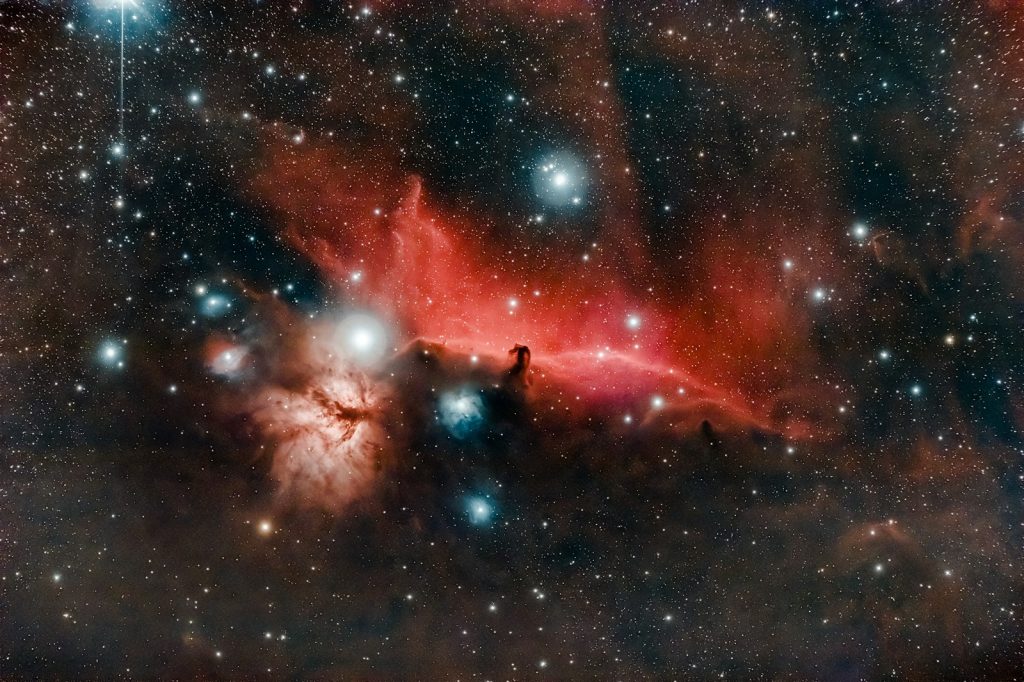
Happy Space Day!
Today is National Space Day for 2024! A day dedicated to outer space. . .
Happy National Space Day ! ! !
🚀 🚀 🚀 🚀 🚀 🚀 🚀 🚀 🚀 🚀 🚀 🚀 🚀 🚀 🚀
A Brief History:
Origin: The holiday is designed to celebrate outer space and astronomy.
Space Day: The day is celebrated to honor the achievements, the benefits, and all of the opportunities into exploration in space, with a goal to attract and promote the subjects in education of math, science, technology, and engineering in the younger generations. The space industry needs young individuals to enter the employment field, so this inspiration to pursue their career in science and space-related jobs is very important.
Celebrated: National Space Day is celebrated on the first Friday in May, which is today, being May 3rd for 2024.
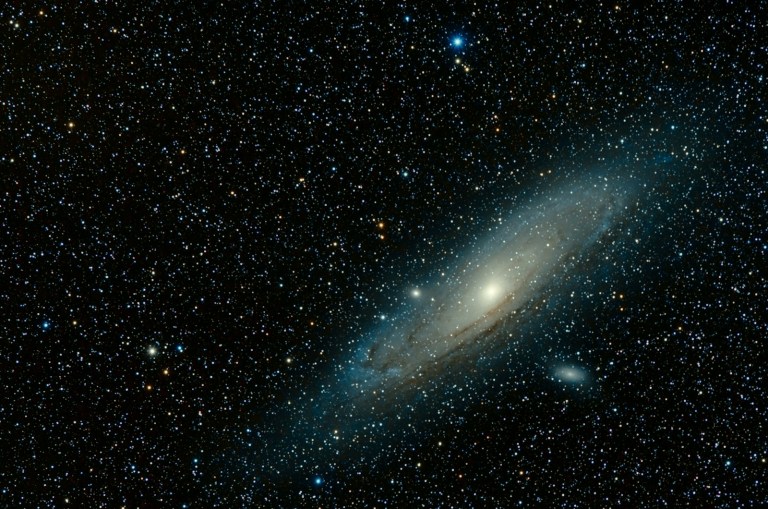
Photo by Guillermo Ferla on Unsplash
A Few Facts:
I am sharing a few facts, and more, some trivia, some not trivial. . .
Types of Astronomy:
Astronomy A-Z:
The study of celestial bodies and events is known as Astronomy. It is a broad discipline that delves into everything beyond the Earth’s atmosphere. Below are key topics within the realm of Astronomy: Here are some major subjects in the 17 different fields of Astronomy:
- AREOLOGY: The study of how the composition of geology on Mars is in comparison of that composition of Earth and its relevance and categorization.
- ASTROBIOLOGY: The study of astrobiology encompasses the exploration of the evolution, origin, and ultimate destiny of life in the universe, including the possibility of extraterrestrial life. It delves into fundamental inquiries such as the emergence and development of life, the existence of life on celestial bodies beyond our planet, and the identification of environments capable of sustaining life.
- ASTROCHEMISTRY: The study is a derivative of astrobiology in order to study the substances in celestial bodies, stars, and interstellar space involves utilizing astrobiology in conjunction with astrochemistry. By observing molecules in space, we can gain valuable insights into the physical conditions that exist beyond our planet Earth.
- ASTROGEOLOGY: Astrogeology is the study of celestial bodies such as moons, asteroids, meteorites, and comets, focusing on examining their rocks, terrain, and material in space.
- ASTROMETRY: Astrometry is concerned with accurately determining the positions of celestial bodies in space, as well as providing a reference point for tracking the movement of stars and other objects in the universe. It does not delve into the physics behind the motion of these bodies, but rather focuses on mapping out their locations and trajectories.
- ASTROPHYSICS: Astrophysics is the scientific discipline that utilizes the principles of physics to investigate the nature of stars and other celestial objects. In a similar vein to geophysics, which concentrates on the physical aspects of the Earth, astrophysics delves into the physical phenomena and characteristics of stars, celestial bodies, and the surrounding space.
- ASTROSEISMOLOGY: Asteroseismology is the term used to describe the study of stars’ internal composition by observing their oscillations. This scientific field is closely linked to helioseismology, as both disciplines involve analyzing the internal structure of stars through the monitoring of radiation and oscillations. However, helioseismology is specifically dedicated to the study of the Sun.
- COSMOLOGY: Cosmology examines the creation, growth, and eventual end of the universe, setting it apart from astrophysics, which focuses on the study of celestial bodies. One crucial aspect explored by cosmologists is the red-shift phenomenon, which sheds light on the universe’s rate of expansion.
- EXOBIOLOGY: Study of the likelihood and location of life in space are accessed and the probability of life existing beyond Earth, exobiology examines the conditions necessary for life on other planets. This field of study also delves into the early development of life and the various biological and environmental factors that contribute to its advancement.
- EXOGEOLOGY: The study of the connection between geology and celestial bodies such as moons, asteroids, meteorites, and comets.
- EXOPLANETOLOGY: Exoplanetology is the scientific field that investigates the number and locations of planets beyond our solar system. It aims to compile an inventory of these planets, which serves as a comprehensive catalog of potential habitats for extraterrestrial life beyond our planet Earth.
- HELIOPHYSICS: Heliophysics is the scientific discipline dedicated to examining the constant and variable radiation emitted by the Sun, as well as its effects on the space environment. Several missions in heliophysics have been carried out to explore occurrences like space weather, solar flares, and the ongoing release of solar particles from the Sun.
- HELIOSEISMOLOGY: The investigation of the waves emanating from the stellar surface is achieved by examining and understanding the makeup and behavior of their internal structure and movements.
- PHOTOMETRY: The study of the luminosity and brightness of celestial bodies in outer space in relation to the establishment by electromagnetic radiation.
- PLANETOLOGY: The formation of planets within solar systems, along with their composition and dynamics throughout history, is a key focus of planetary science (also known as planetology). This field of study is intricately linked to the exploration of planetary geology.
- SELENOGRAPHY: The formation of physical characteristics on the moon, such as lunar maria, craters, and mountain ranges, has been extensively studied through the field of selenography. Selenography focuses on comprehending and documenting various features found on the moon, including lunar maria, craters, and mountain ranges.
- SPECTROSCOPY: The study of light reflection, absorption, and transfer between various materials is a key area of research within the field of spectroscopy. Spectroscopy examines the ways in which light interacts with substances, including their reflection, absorption, and transfer mechanisms. Likewise, photometry is dedicated to exploring the brightness of celestial bodies in space through the analysis of their electromagnetic radiation characteristics.
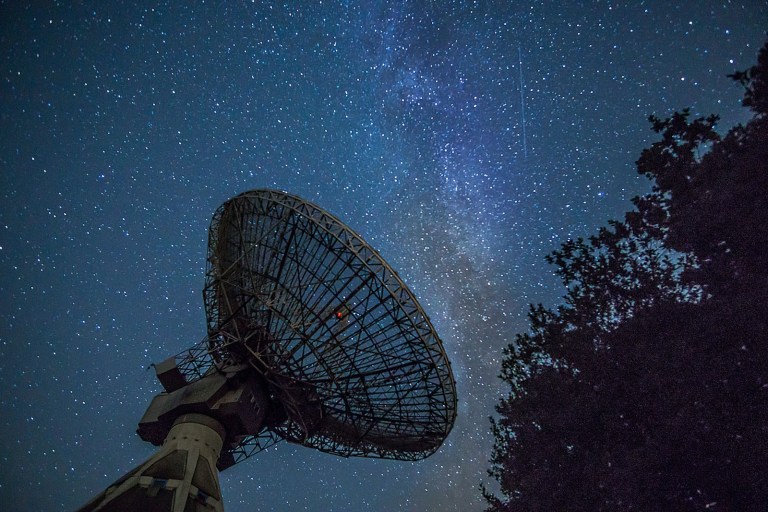
Photo by S. Widua on Unsplash
The Present:
Space is always of particular interest to many. The latest eclipse just shows how grandiosely popular the study of the cosmos is to date!
The Future:
It is up to the upcoming youth to keep it going, and for it to last into the years to come. . .
Previous Versatileer Posts with Astronomical Posts:
- More. . . See ALL Astronomy posts HERE: #Astronomy
FREEBIES & DEALS For National Space Day:
🚀 FREE: National Space Day: Fonts
🚀 FREE: National Space Day: Crafts + Printable
🚀 CHEAP: National Space Day: Ideas, Crafts & Worksheets
🚀 FREE: National Space Day: AT “Hey It’s Free”
Hashtags:
#NationalSpaceDay #SpaceDay #SpaceFlight #Space #NASA #Astronomy #Science #Universe #Earth #Moon #Mars #Cosmos #Galaxy #Stars #Astrophysics #AstroPhotography #Photography #Physics #ISS #ISRO #Apollo #ESA #Hubble #Telescope #HubbleTelescope #FlatEarth #Rocket #SolarSystem #SpaceExploration #Cosmology #SpaceTravel #Technology #NightSky #Planet #Astro #SpaceShip
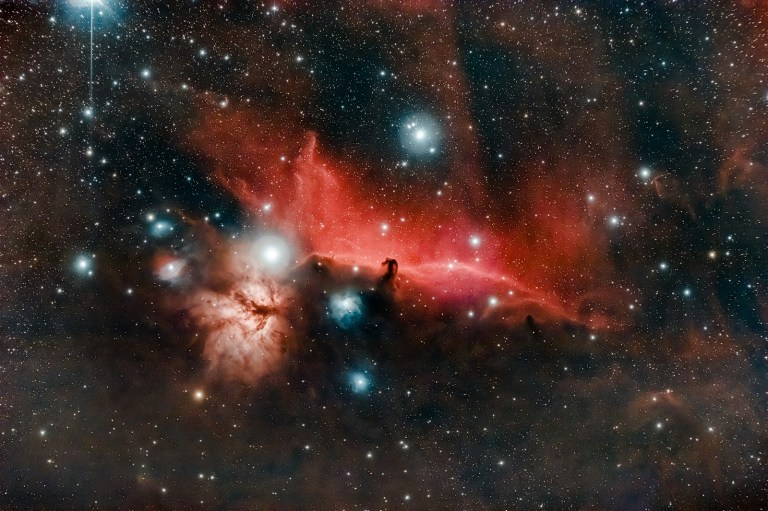
Photo by Gaëtan Othenin-Girard on Unsplash
National Space Day
More on Versatileer:
![My Fair Thief Blitz__BUTTON.jpg]()
Ends 06-21 – My Fair Thief by Delta James + $25 Amazon Gift Card Giveaway
06/17/2023![caramel corn.jpg]()
Happy National Caramel Popcorn Day – 2025
04/06/2025![wp-17293103252723284484066506377477.jpg]()
Featured Photo: Flower Bouquet Photo of the Day – Last Week of October into 1st Week of November
10/28/2024![20231219_163723_.jpg]()
Featured Photo: Winter Weather Special – Colorful Sunset near Ridgefield Park, Tinley Park
01/14/2026![Happy Mother's Day 2021]()
Happy Mother's Day 2021
05/09/2021