
Versatileer Brings you this post in regards to the “Self-Care Isn’t Optional When You’re Running a Business” by Charlene Roth. The post contains reference materials courtesy and by permission of Safetykid.info. It is brought to you and made available only for personal reference.
Self-Care Isn’t Optional When You’re Running a Business
by Charlene Roth – Visit the website by Safetykid.info

Self-Care Isn’t Optional When You’re Running a Business
You’ve learned to push through. Most business owners have. Deadlines, pressure, decision fatigue; it all blurs together, and the instinct is to keep moving. But high output without recovery doesn’t scale, it collapses. Long-term performance demands more than hustle, it demands capacity. And capacity isn’t just time, it’s energy, clarity, and mental stability. Self-care isn’t an indulgence for slow days, it’s a non-negotiable for anyone carrying the weight of something they built.
Why Entrepreneurs Can’t Afford to Skip Self-Care
Building a business demands long hours, endless problem-solving, and emotional grit—but ignoring your own needs while chasing success is a shortcut to burnout. The myth of nonstop hustle has convinced too many founders that exhaustion is a badge of honor. In reality, it’s a liability. Without a sustainable way to recharge, your productivity dips, your decision-making falters, and your creative edge dulls. Recovery isn’t optional—it’s fuel. Research shows that entrepreneurs who sleep more don’t just feel better—they make sharper, more creative decisions that impact their business trajectory. Self-care isn’t fluff, it’s operational infrastructure.
Time Blocking Is a Leadership Skill
One of the most undervalued tools in your arsenal is the calendar. Without guardrails, your day bleeds out in a thousand tiny interruptions. Calls, Slack, meetings, pings, each one eroding your ability to think clearly. Protecting your energy starts with ruthless control over your hours. Implementing time blocking to protect your work allows you to create uninterrupted focus zones where creative and strategic work can actually happen. It’s not about managing time; it’s about defending your cognitive bandwidth so you’re not operating on mental fumes by 2 p.m.
Physical Activity Resets Mental State
If your body is tight, your brain is jammed. You don’t have to train like an athlete, but you do have to move like someone whose ideas depend on clarity. Physical activity regulates hormones, boosts mood, and interrupts spirals of overthinking. A quick walk between meetings or 10 pushups during a blocked-out break can make a visible dent in your stress levels. Movement doesn’t just clear your head, it recharges your capacity to focus. There’s a physiological reason exercise relieves stress: it lowers adrenaline, reduces cortisol, and increases feel-good neurotransmitters that help stabilize your mood for the rest of the day.
Hobbies That Have Nothing to Do With Work
You are not your company. Your brain needs novelty, play, and permission to do things that don’t move the business forward. That sounds counterintuitive, but it’s one of the fastest ways to regain mental range. Paint. Build a model. Bake something strange. Let your hands do something your pitch deck never asked for. Tactile, low-stakes creativity helps restore clarity and energy, even when you didn’t know you were running low. It’s not a creative luxury, it’s mental hygiene. There’s increasing recognition that hobbies improve mental health because they break cycles of performance-based identity and allow your nervous system to ease back into balance.
Human Contact Isn’t Optional
Isolation doesn’t feel like burnout, until it does. Many entrepreneurs slowly withdraw from peers, friends, even family, not out of arrogance but inertia. The calendar gets full, and relationships become optional. That decision comes back later as emotional fatigue, indecision, and internal pressure you can’t name. Regular social contact resets your perspective and reminds you that you exist outside your venture. Reconnect, even if the topic has nothing to do with business. Weekly coffee with someone who gets it can reroute your mental load. There’s mounting understanding that social connections are crucial for protecting resilience and performance, especially for people who lead alone.
Alternative Wellness Supports Entrepreneurs Use
Some founders don’t just rely on routines, they turn to natural supports when emotional load climbs. These aren’t pharmaceutical, and they’re not magic pills. They’re options, each with their own role in the stress response chain. THCa diamonds are favored by those seeking calm without intoxication or head fog, and this is a good option. Ashwagandha gummies are used to balance cortisol and support hormone-level recovery, especially during long grinds. Rhodiola rosea supplements are known for sustaining mental energy under sustained workload without triggering fatigue later. These tools are most helpful when layered with sleep, movement, and boundaries, not used in place of them. Entrepreneurs don’t need one cure. They need a web of recovery cues.
Micro‑Breaks Are Strategic Maintenance
You can’t grind endlessly and expect your ideas to stay sharp. The longer you force your brain through tasks without downtime, the more brittle your thinking becomes. Breaks aren’t about disengagement, they’re about refueling your processing power so you’re still thinking clearly by hour six, not just surviving. Ten minutes of nothing, whether it’s stepping outside, resetting your posture, or closing your eyes, can literally bring your energy back online. When used intentionally, these breaks stop downward spirals before they start. You don’t need a full vacation to get the benefits. Even micro-breaks boost vigor when stacked into your workflow like reps.
There’s no badge for burnout. No one’s giving you points for collapsing in Q4. The founders who last are the ones who stay whole. They don’t just optimize product, they optimize their own energy, attention, and emotional range. Self-care is operational infrastructure. It’s what lets you push through heavy seasons without becoming your own liability. The ROI isn’t just better sleep or fewer headaches. It’s that you’re still sharp, engaged, and building six months from now instead of recovering from damage you didn’t need to take.
Discover a world of exciting giveaways, captivating book tours, and stunning photography at Versatileer — your go-to destination for daily inspiration and exclusive offers!
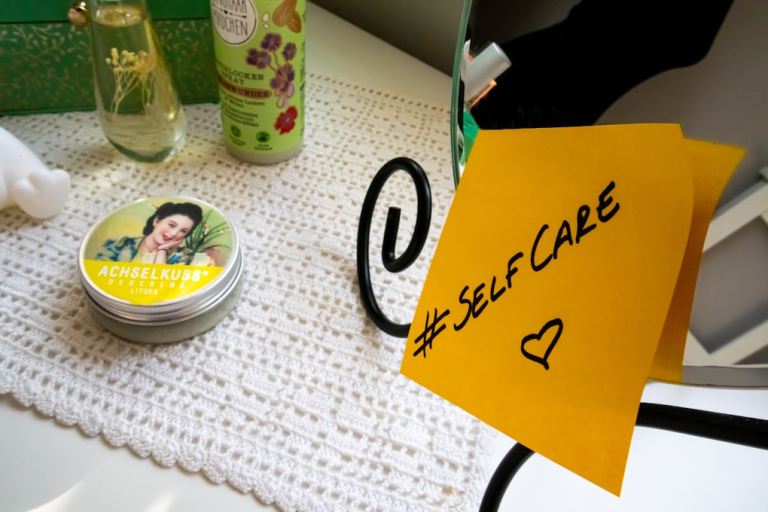
Photo by Walls.io on Unsplash
Versatileer features an outgoing flow of useful information and reviews about home based products, services and issues. If you have any questions, don’t hesitate to reach out!
Self-Care Isn’t Optional When You’re Running a Business
This article and content is brought to you courtesy of Charlene Roth and Safetykid.info. All Rights Reserved
More on Versatileer:
![Photo of the Day: 9/24/19]()
Photo of the Day: 9/24/19
09/24/2019![DSC_5475_.jpg]()
National Moon Day 2024 + Photos of This Year's Best Moon Photos
07/21/2024![wp-16963701478878121218654007270759.jpg]()
Featured Photo & Video: The 31 Days of Halloween – Day 4: Reaper's Graveyard, Oak Lawn
10/04/2023![April Fool's Day '24.jpg]()
Happy April Fool's Day – 2024
04/01/2024![wp-17032830735001006082752880711467.jpg]()
Featured Photo: Christmas Flower of the Day '23 – Bouquet #11
12/22/2023





























Self care is always very important