Today was Problem Gambling Awareness Day for 2025, the world’s largest annual campaign addressing the addiction to gambling, Problem Gambling Awareness Day is observed on September 29th, commemorating Rhonda Hatefi’s brother Bobby’s birthday and marking the inaugural day dedicated to recognizing problem gambling in the United States.

Casino Velden Panorama courtesy of Openverse
Versatileer Brings you this post in regards to more safe living, through awareness of anyone’s addiction to gambling.
🥳 Reasons to Honor Problem Gambling Awareness Day
🤞 Synopsis:
Unfortunately abusive gambling can become a major problem in a very minuscule amount of time. This means that the mirror between use becoming abuse can be so small that the first use can oftentimes be the start of abuse. This is because with gambling, hundreds or even thousands of dollars can be lost in a very small period of time. It is like the movie Lost in America by Albert Brooks, where the wife lost everything! The odds are completely in the houses’ favor because how many people do you really know who are out there bragging how easy it was to make money from a career in gambling? But casinos and other venues sure make more than a great living off people coming to their establishments or online websites.

Gambling – 104/365 courtesy of Openverse
🍒 Is It Really a Problem:
An individual may be experiencing a gambling issue if they display one or more of the following indicators:
| Synopsis of Problem Gambling |
|
| Symptom | Description |
| Obsession | Constant thinking about gambling, planning of gambling activities, or trying to get and budgeting more money to gamble |
| Compulsion | Feeling compelled to keep on gambling until every last dollar is spent even if the game is changed up just to stay in a situation of gambling |
| Tolerance | The added need to gamble with more and more money or valuables in order to get the same level of excitement |
| Withdrawal | Feelings of restlessness or irritability when the attempt to try to stop gambling is presented |
| Chasing losses | Gambling just to win back money that was lost gambling to cover past losses, especially after heavy losses |
| Lying | Lying, squandering, pretending to family, friends or others about how much or how often they gamble |
| Interference | Not seeing that gambling negatively affects their finances, work, education, or relationships, despite the losses |
| Borrowing | Relying on other sources other than the bank account or paycheck for financial support after heavy gambling losses |
| Secretive | Feeling the need to hide, cover-up, put on “the mask” in order to be secretive about their gambling |
| Denial | The catastrophic lifestyle of gambling can’t be seen by the gambler, because lying to one’s self is so high, the gambler denies even having a problem. |
💲 Casinos, Online Gambling, or Lotteries Makes No Difference!
The problem is not the venue. It can come in many forms. As far as which one is better can become part of the rationalization and justification. . .None are better when it comes to a gambling problem. The house is always the winner, and the gambler will always be brought to his knees when it comes to the compulsion of gambling. It doesn’t take long or matter how long it takes to be at risk. Trying the rationalize that it can be controlled if only lotteries are the venue, or staying away from the casinos because of the lights and noises, and developing a problem gambling online can also become a major problem–and rather quickly at that. These are just tools the mind plays on the gambler to assist in justifying a situation or rationalizing a venue. And also remember, sweepstakes and giveaways are a great alternative to being able to occupy the time used to be gambling, as there are always thousands to millions going on at the same time, and they are required by law to provide a prize to either by random or according to contest rules, with no purchase necessary, hence no money required to participate.
💲 Mixing Gambling With Alcohol &/or Drugs:
Addictions to alcohol, drugs and gambling can profoundly affect physical well-being. These behaviors when combined may result in severe medical conditions, including liver disease, as well as mental health disorders such as depression and anxiety, potentially culminating in life-threatening illnesses.
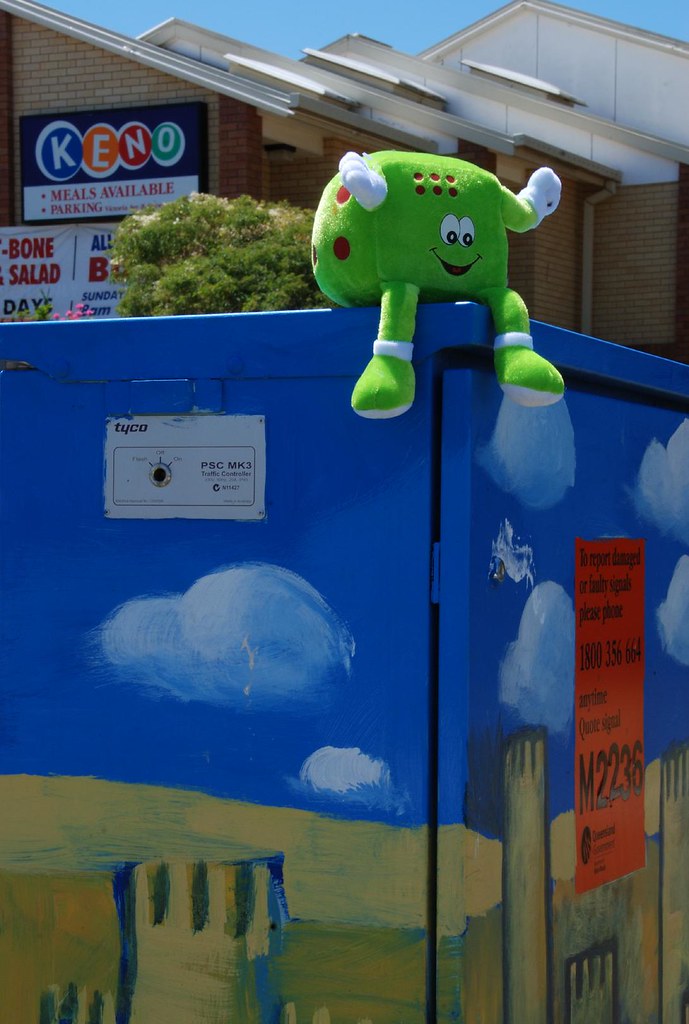
castles or gambling courtesy of Openverse
🍀 Alcohol, Drugs Leading Into Gambling Disorders:
Gambling can pose a significant challenge for certain individuals, obstructing their objectives and disrupting healthy interpersonal relationships. Although this issue can affect anyone, studies indicate that individuals with a background of substance abuse are at an elevated risk. The consequences of gambling can be as detrimental to one’s life as those associated with alcohol or substance use disorders..
🎰 Risk Factors:
While the majority of individuals who engage in card games or betting do not encounter gambling-related issues, several factors are frequently linked to compulsive gambling behavior:
- Mental Health Conditions: Individuals who exhibit compulsive gambling tendencies often struggle with substance abuse, personality disorders, depression, or anxiety. This behavior may also correlate with conditions such as bipolar disorder, obsessive-compulsive disorder (OCD), or attention-deficit/hyperactivity disorder (ADHD).
- Age: Compulsive gambling is predominantly observed in younger and middle-aged individuals. Early exposure to gambling during childhood or adolescence heightens the likelihood of developing compulsive gambling habits. However, this issue can also manifest in the older adult demographic.
- Gender: Compulsive gambling is more prevalent among men compared to women. Women tend to begin gambling later in life and may develop an addiction more rapidly. Nonetheless, the gambling behaviors of men and women are increasingly converging. Influence of Family or Friends. The likelihood of developing a gambling problem increases if family members or friends are also affected by gambling issues.
- Medications for Parkinson’s Disease and Restless Legs Syndrome: Certain medications known as dopamine agonists may have a rare side effect that leads to compulsive behaviors, including gambling, in some individuals.
- Specific Personality Traits: Characteristics such as high competitiveness, workaholism, impulsivity, restlessness, or a tendency to become easily bored may elevate the risk of engaging in compulsive gambling.

Trump Plaza courtesy of Openverse
🎲 It’s About the Enzymes:
The body’s natural enzymes can be altered by activating an addiction, whether or not the addiction is based on use of substances or other–because in true reality, the “high” that people feel is still based on the body’s manufacturing or lack of manufacturing certain enzymes is attained. Most of that “high” is actually the brain or parts of body feeling an inappropriate amount of an enzyme or more than one enzyme. So just because it is a gambling disorder does not make this any different than any other addiction, because it is not the substances, food or other addiction–that becomes the problem. So gambling is just the same as any other problematic addiction. See D.O.S.E., of which is explicitly explained in my article: International Day Of Happiness – 2023 (How to Get Your Daily D.O.S.E. of Happiness).

Hello My Name Is Gambler courtesy of Openverse
🎲 Assessment of Problematic Gambling:
🃏 Signs of a Gambling Problem:
There is never anything wrong with going to a casino and having some fun or buying a lottery ticket. But cashing whole paychecks to buy lottery tickets thinking that this time, the gambler is going to get even with past losses, or yet even worse lying to friends and family, cheating, or any other tactic to attempt to “beat the odds” becomes a major problem. Everyone who has a gambling problem has different ways and means at how they get there. There is one common element, gambling in excess always brings a person to their knees in despair. This questionnaire is furnished with confidence to assess the despair of any person’s possible problem with gambling. The questionnaire, in order to be effective must be answered honestly, integrally, and with the goal to find the state of problematic gambling. The person answering may have a problem if two or more “yes” answers are true to these questions:
In the past year, has the person:
- Was there lost time from work or school due to gambling?
- Has gambling ever made home life unhappy?
- Did gambling affect reputation?
- Was there feelings of remorse after gambling?
- Did gambling to get money to pay debts/otherwise solve financial difficulties become an issue?
- Did gambling cause a decrease in ambition or efficiency?
- After losses, did feelings to return as soon as possible to win back losses ever become an issue?
- After a win was a strong urge to return and win more become an issue?
- Did gambling until all the money was gone often become an issue?
- Did borrowing to finance gambling become an issue?
- Has selling any possessions or pawning to finance gambling ever become an issue?
- Did reluctance to use “gambling money” for normal expenditures become an issue?
- Did gambling cause carelessness of the welfare of one’s self or family become an issue?
- Did the gambler ever gamble longer than planned?
- Did gambling to escape worry, trouble, boredom, loneliness, grief or loss ever become an issue?
- Has the gambler ever committed, or considered committing, any illegal act in order to finance gambling?
- Did gambling caused difficulty or changes in sleeping patterns?
- Have arguments, disappointments or frustrations created the urge to gamble?
- Has an urge to celebrate any good fortune with a few hours of gambling become an issue?
- Has the gambler ever considered self-destruction, mutilation or suicide as a result of a gambling issue?
Obviously, the last question being a “yes” answer in the time of that activity assesses a serious problem, up to and including picking the phone up and calling 9-1-1. Positively having a “yes” with any of the other symptoms may indicate a problematic condition that may already have cause for concern. The more symptoms, the more urgent the need for change. As with any addiction, addiction is always a disease–and as much justification, rationalization, or denial as there may be, these conditions make treatment difficult. The disease of addiction in any form present several medical factors, and proper treatment by qualified health professionals can conduct a formal assessment of symptoms. For online information concerning anyone’s gambling, go to Research on the Origins of Pathological and Problem Gambling – Pathological Gambling – NCBI Bookshelf.

Jackpot Casino courtesy of Openverse
💰 Resources on Assistance to Control:
⚕️ Starting With a Primary Care Doctor:
For anyone thinking about treatment, talking to a primary care physician is an important first step—he or she can be a good source for treatment referrals. A primary care physician can also:
- Evaluate a patient’s disorder patterns
- Help craft a treatment plan
- Evaluate overall health
Individuals are advised to talk to their doctors, with complete honesty, about the best form of primary treatment. Delaying treatment does not assist the individuals overall physical, mental, spiritual and/or emotional health–time is not an asset when it comes to treatment. Things usually regress given more time and avoiding the problem through the use of denial. There are many of types of professionals that are involved in care. Many health professionals can play a role in treatment. Below is a list of providers and the type of care they may offer:
Photo by theasad121
👨🏻⚕️ Options for Treatment:
Cognitive Behavioral Therapy (CBT) is the treatment modality most commonly researched for addressing gambling disorder. This therapeutic approach aims to modify the underlying thoughts and behaviors that contribute to the persistence of such behavioral patterns, including gambling disorder. Treatment is possible through many means according the the degree orf the disorder, but treatment can require the need of wanting to live a new lifestyle and change. It can be backed up by not being alone in a decision to live a new life. People do not have to live alone in these types of problems. By joining together and being involved in a 12-step program, it is way more possible, knowing that it doesn’t have to be done alone. A lot of the problems foster growth by loving alone in the problem. By being involved and going to meetings and obtaining support, people get to know that they are not alone in their problem. Shedding light on the problem leads to admission, and admission leads to a foundation, and that foundation can grow a new life worth living a better way.
👩🏻⚕️ Options for Treatment:
Behavioral Treatments: Behavioral treatments are aimed at changing abusive behavior through counseling. They are led by health professionals and supported by studies showing they can be beneficial.
Medications: Three medications are currently approved in the United States to help people stop or reduce their drug use and prevent relapse. They are prescribed by a primary care physician or other health professional and may be used alone or in combination with counseling.
𓍝 Make Sure of Risks & Contact Your Politicians:
Several events and activities associated with problem gambling awareness include:
- Gambling Disorder Screening Day: This international event is held on the second Tuesday of March during Problem Gambling Awareness Month. Its aim is to identify individuals who may be experiencing a gambling disorder and to assist providers in conducting screenings.
- Problem Gambling Advocacy Day: This event serves as a platform to inform lawmakers and the National Council on Problem Gambling (NCPG) organizes Problem Gambling Advocacy Day to inform legislators, involve lawmakers, and convey narratives from the community. Details When The 2025 Advocacy Day is scheduled for Monday, January 20. What to do Interact with lawmakers, provide education to legislators, advocate for awareness, and share personal stories.
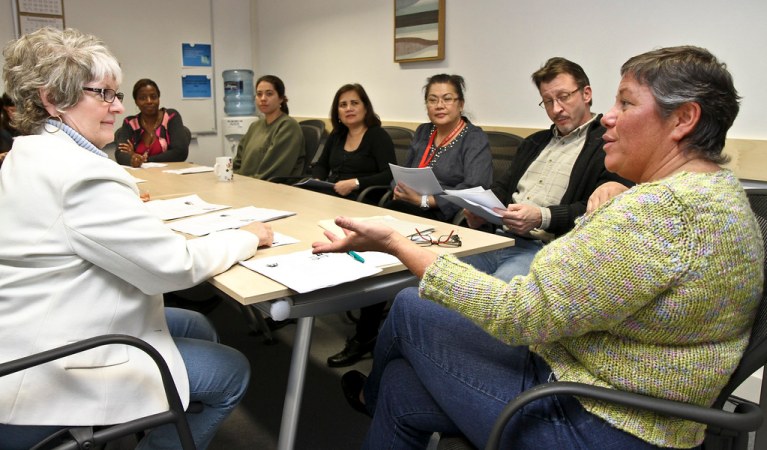
USACE promotes healthy living in Europe with employee-run support group courtesy of Openverse
🔄 Support Group Assistance:
🍻 There Is Help Out There:
Overuse of substances can affect people of all ages, races, sexes, and does not discriminate. It could be any member of your family, a friend, co-worker or acquaintance. Also, if someone involved with alcohol is an addict, the chances of relapsing back to a substance dependency are very high during and after drinking. It is really important to note that when someone does have a problem, that unless they are true to themselves and not only seek help, but want a change in lifestyle–all the help in the world will not assist them.
Mutual-Support Groups:
- Gamblers Anonymous (GA), for persons directly seeking membership if they think that they are an addict, with or without the combination of a cannabis use problem.

- Other 12-step programs. . .
All 12-step programs provide peer support for people quitting or cutting back on a gambling disorder. Mutual support is the leading successful treatment to not just gambling, but any addiction. If someone needs support on a gambling disorder, pick up the phone and call the support line at 1-800-662-HELP (4357). If someone you love is thinking about suicide due to a gambling problem, or in general, the 24-hour Suicide Prevention Line is 1-800-273-TALK. If someone is in grave danger, always call 9-1-1.
The day of Problem Gambling Awareness Day was arranged partly because of Rhonda Hatefi’s brother Bobby. Because of God’s grace. the light shining on her family’s problem was shed onto Lane County in the United States having a high suicide rate due to a growing population of high-risk groups, including those with mental health issues and addictions. The availability of “Suicide Loss Survivors,” where the Eugene woman shares the story of her brother’s addiction to gambling that ultimately led to his suicide. Despite efforts to help him seek counseling and treatment, the destructive nature of compulsive gambling took its toll. Rhonda Hatefi, the sister, now raises awareness of problem gambling on September 29th, Bobby’s birthday, in honor of her brother. Through her advocacy and sharing Bobby’s story, she hopes to prevent other families from experiencing the same tragedy and offers support to those struggling with gambling addiction.
There is room for anyone to realize that it is no joke to getting over problematic gambling. The best ounce of prevention is to not at all getting involved with going to casinos or trying to make big in the lottery. If these actions cannot be moderated, it just isn’t worth it! that is why Problem Gambling Awareness Day is important.
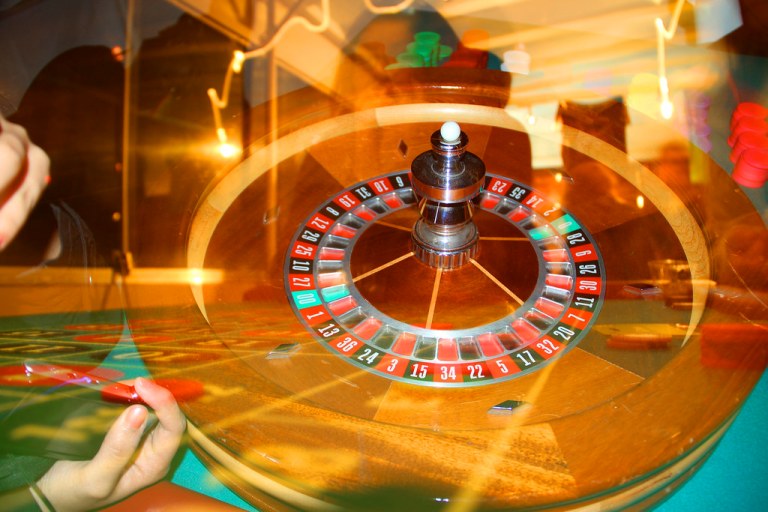
Roulette courtesy of Openverse
Problem Gambling Awareness Day
More on Versatileer:
![two_pac_2d0__02_00__20211025__Rick-1.jpg]()
From the Satellite...Pacific Hurricane Rick on .GIPHY
01/14/2022![New Orleans - French Quarter 'Bourbon Street - Mardi Gras Masks'.jpg]()
Happy Fat Tuesday & Mardi Gras – 2025
03/04/2025![INSTA_TheRippleEffect.png]()
The Ripple Effect by Cally Jackson Cover Reveal – Release Date Coming September 14th
07/14/2023![St. Patrick's Day '23.png]()
Happy St. Patrick's Day! – 2023
03/17/2023![two_atl_2d0__18_00__20220701 & two_pac_2d0__15_00__20220704__Bonnie]()
From the Satellite...Super Long Atlantic & Pacific Hurricane Bonnie on .GIPHY, Video + 2022 Season I...
07/23/2022