Today was The Great American Smokeout for 2024, the world’s largest annual campaign addressing the addiction to smoking cigarettes, digars, or tobacco. The Great American Smokeout is observed on the third Thursday in November, the American Cancer Society sponsors the Great American Smokeout.
Versatileer Brings you this post in regards to more safe living, through awareness of anyone’s addiction to nicotine.
🚬 Reasons to Honor The Great American Smokeout
🚬 Synopsis:
Many individuals who smoke/chew engage in the regular use of tobacco due to their dependence on nicotine. This dependence is marked by a compulsive urge to seek and consume the substance, despite the adverse health effects associated with it. This article addresses the concern of all use of nicotine, despite the label of being a “smoker.” Materially, whether it is smoked, vaped, chewed. . .it is all the same: an addiction to nicotine. A significant number of smokers express a desire to cease smoking, and annually, approximately fifty percent make an attempt to quit for good. This article addresses the addiction to nicotine as synonymous with all of:
- Cigarettes
- Vaping
- Cigars
- Chewing tobacco
Unfortunately, the addiction is often referred to as harder to break the chains than many other addictions, including heroin. The outcome of health risks, expense and outcast can be devastating.
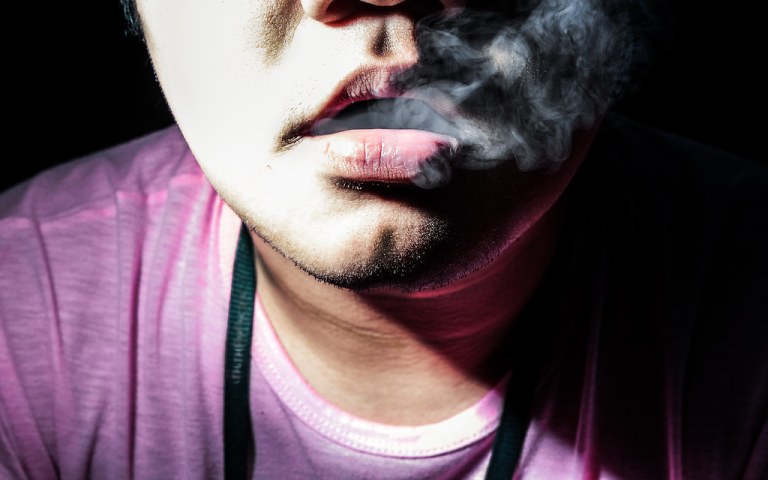
Cigarette Smokes courtesy of Openverse
🚬 Is It Really a Problem:
An individual may be experiencing a problematic smoking, or tobacco use issue if they display one or more of the following indicators:
| Synopsis of Problem Smoking | |
| Symptom | Description |
| Obsession | Constant thinking about smoking, having to take smoking breaks and/or an extra trips to buy cigarettes, budgeting more money to smoke |
| Compulsion | It’s a number 1 priority; feeling compelled to keep smoking despite health issues, advice by a doctor, family, friends, business contacts to quit smoking |
| Tolerance | The added need to smoke more & more, in order to get the same level of satisfaction from having a cigarette |
| Withdrawal | Feelings of restlessness or irritability when the attempt to try to stop smoking is presented |
| Consequences | Continuing to smoke even after experiencing negative consequences like health issues, fatigue. low oxygen levels, or a desire to quit |
| Lying | Lying, squandering, pretending to quit to family, friends or others; trying to hide the odor, breath mints, gum, cologne, perfume, etc. |
| Interference | Not seeing that smoking negatively affects their finances, work, education, or relationships, and time management |
| Borrowing | Trying to hide the purchase of buying more & more cigarettes, despite the cost; having to stay at work longer to make up time lost on smoking breaks |
| Secretive | Feeling the need to hide cigarettes, cover-up, put on “the mask” in order to be secretive about their smoking |
| Denial | The catastrophic lifestyle of smoking can’t be seen by the smoker, because lying to one’s self is so high, the smoker denies even having a problem |
🚬 Mixing Smoking With Sex:
The misconception that sex and smoking are synonymous couldn’t be farther off! Engaging in smoking following sexual activity can elevate heart rate, enhance blood circulation, and intensify pleasure. However, a significant drawback is that it may diminish libido and foster a reliance on an external stimulant, such as tobacco, for enjoyment. It is advisable to avoid becoming dependent on artificial substances.
🚬 Mixing Smoking With Alcohol, Drugs &/or Gambling:
Addictions to nicotine, alcohol and drugs; and with nicotine leading to more and more problematic use of itself, and with the combination of legal and illegal dugs plus gambling can profoundly affect physical well-being. These behaviors when combined may result in severe medical conditions, including lung, gum and liver disease, as well as mental health disorders such as depression and anxiety, potentially culminating in life-threatening illnesses including cancer and other disorders.

Photo by OpenClipart-Vectors on Unsplash
🚬 Smoking Leading Into Alcohol, Drug, and Gambling Disorders:
Smoking has been characterised as an indirect symptom to individuals identified with problem drug and/or alcohol use and gambling, exhibiting elevated rates of alcohol consumption and smoking when each substance use issue is evaluated separately (Kessler et al. 2008; Petry, Stinson & Grant 2005). Also smoking has been known to be a precursor to problematic legal and illegal drug use and/or abuse–especially when the smoker is an addict, even if the smoker does not know the status of addiction, whether or not they are in the state of denial.
🚬 Risk Factors:
While the majority of individuals who engage in smoking issues, several factors are frequently linked to compulsive behavior:
- Mental Health Conditions: Individuals who exhibit compulsive smoking often struggle with substance abuse, personality disorders, depression, or anxiety. This behavior may also correlate with conditions such as bipolar disorder, obsessive-compulsive disorder (OCD), or attention-deficit/hyperactivity disorder (ADHD).
- Age: The average age people start smoking is around 13, with 90% starting before 18. In the US, the age of smoking initiation has increased from 14. 95 in 2002 to 16. 52 in 2018. 31. 8% of young adults smoke, while 22. 0% of all adults smoke. Starting smoking at a young age increases the risk of heart disease and stroke. Quitting by age 40 can reduce the risk of premature death from heart disease by 90%. Smoking is the top preventable cause of death and illness in the US. Quitting smoking immediately improves health.
- Gender: Globally, more men smoke tobacco than women. Men are more likely to die from lung cancer due to smoking. Reasons for this gender gap include physiological, cultural, and behavioral factors. Neuroimaging studies show smoking activates men’s reward pathways more. Men may also be more responsive to environmental cues. 13. 1% of men and 10. 1% of women in the US smoked cigarettes.
- Nicotine’s Rapid Action: Nicotine rapidly enters the brain following the inhalation of cigarette smoke, prompting the release of dopamine. This release induces a pleasurable feeling and strengthens the inclination to smoke again.
- Restarting Smoking: Nicotine is rapidly absorbed into the brain following the inhalation of cigarette smoke, leading to the release of dopamine. This release produces a pleasurable feeling and strengthens the desire to smoke again. Withdrawal symptoms include individuals attempting to quit smoking often face withdrawal symptoms such as irritability, anxiety, challenges with concentration, intense cravings, restlessness, heightened appetite, and mood fluctuations, all of which can complicate the process of cessation.
🚬 It’s About the Enzymes:
The body’s natural enzymes can be altered by activating any addiction including nicotine, whether or not the addiction is based on use of substances or other–Enzymes involved in nicotine addiction are MAO, CYP2A6, and those that metabolize dopamine, norepinephrine, and serotonin. MAO breaks down dopamine, and smoking decreases MAO levels, making nicotine more reinforcing. CYP2A6 is a liver enzyme that degrades nicotine, affecting the rate of nicotine metabolism. Cigarette smoke inhibits MAO activity, reducing dopamine metabolism, contributing to addiction. Nicotine dependence involves the release of dopamine in the NAc, creating a rewarding mechanism for addiction. So smoking is just the same as any other problematic addiction. See D.O.S.E., of which is explicitly explained in my article: International Day Of Happiness – 2023 (How to Get Your Daily D.O.S.E. of Happiness).
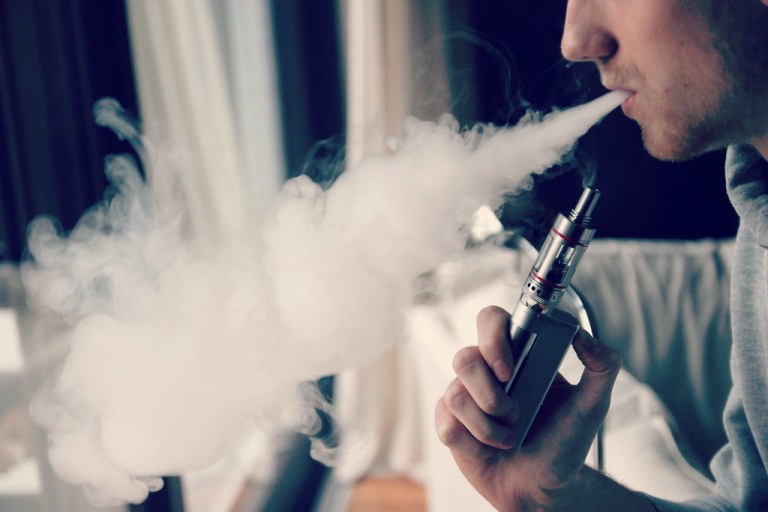
E-Cigarette/Electronic Cigarette/E-Cigs/E-Liquid/Vaping/Cloud Chasing courtesy of Openverse
🚬 Assessment of Problematic Smoking:
🚬 Signs of a Smoking Problem:
Indicators of a smoking issue encompass the following: The person answering may have a problem if two or more “yes” answers are true to these questions:
In the past year, has the person:
- Has the smoker had challenges to cease smoking, particularly following several unsuccessful efforts to quit?
- Has smoking ever made home life unhappy?
- Did smoking affect reputation?
- Has the smoker been classified as a smoker?
- Was there feelings of remorse after smoking?
- Did the smoker ever encounter withdrawal symptoms, which can include intense cravings, anxiety, irritability, restlessness, and/or trouble sleeping?
- Did smoking cause a decrease in ambition or efficiency?
- After smoking, did feelings to return to having another cigarette as soon as possible ever become an issue?
- Has a doctor’s advice to quit ever become an issue?
- Did buying more & more cigarettes often become an issue?
- Did borrowing, selling possessions to finance smoking ever become an issue?
- Has smoking led to the addiction to other substances or gambling, because the smoking just isn’t enough ever become an issue?
- Did reluctance to use “smoking money” for normal expenditures ever become an issue?
- Did smoking cause carelessness of the welfare of one’s self or family become an issue?
- Have smoking breaks become longer or less time in between?
- Did smoking due to anxiety, to escape worry, trouble, boredom, loneliness, grief or loss ever become an issue?
- Has the smoker ever committed, or considered committing, any illegal act in order to finance smoking?
- Has smoking ever caused difficulty or changes in sleeping patterns?
- Have arguments, disappointments or frustrations created the urge to smoke?
- Has an urge to smoke arisen due to good circumstances or a celebration ever become an issue?
- Has the smoker ever considered self-destruction, mutilation or suicide as a result of problematic smoking issues?
Obviously, the last question being a “yes” answer in the time of that activity assesses a serious problem, up to and including picking the phone up and calling 9-1-1. Positively having a “yes” with any of the other symptoms may indicate a problematic condition that may already have cause for concern. The more symptoms, the more urgent the need for change. As with any addiction, addiction is always a disease–and as much justification, rationalization, or denial as there may be, these conditions make treatment difficult. The disease of addiction in any form present several medical factors, and proper treatment by qualified health professionals can conduct a formal assessment of symptoms.

Photo by Michelle Ding on Unsplash
🚬 Resources on Assistance to Control:
🚬 Starting With a Primary Care Doctor:
For anyone thinking about treatment, talking to a primary care physician is an important first step—he or she can be a good source for treatment referrals. A primary care physician can also:
- Evaluate a patient’s disorder patterns
- Help craft a treatment plan
- Evaluate overall health
Individuals are advised to talk to their doctors, with complete honesty, about the best form of primary treatment. Delaying treatment does not assist the individuals overall physical, mental, spiritual and/or emotional health–time is not an asset when it comes to treatment. Things usually regress given more time and avoiding the problem through the use of denial. There are many of types of professionals that are involved in care. Many health professionals can play a role in treatment. Below is a list of providers and the type of care they may offer:
🚬 Options for Treatment:
There are several medical options to help people quit smoking. One option is Nicotine replacement therapy (NRT), which includes patches, gum, lozenges, nasal sprays, or inhalers to help with cravings and initial symptoms of quitting. Prescription medications like bupropion or varenicline can be prescribed by a healthcare provider to assist with withdrawal symptoms and cravings. Counseling, lifestyle changes such as exercise or cognitive behavioral therapy, and quitting cold turkey are also strategies to help quit smoking. Quitting cold turkey may be challenging due to the body’s relationship with nicotine.

Photo by Al Elmes on Unsplash
🔄 Support Group Assistance:
🚬 There Is Help Out There:
Overuse of substances including nicotine can affect people of all ages, races, sexes, and does not discriminate. It could be any member of your family, a friend, co-worker or acquaintance. Also, if someone involved with alcohol is an addict, the chances of relapsing back to a substance dependency are very high during and after drinking. It is really important to note that when someone does have a problem, that unless they are true to themselves and not only seek help, but want a change in lifestyle–all the help in the world will not assist them.
Mutual-Support Groups:
- Nicotine Anonymous, for persons directly seeking membership if they think that they are an addict, with or without the combination of a cannabis use problem.

- Other 12-step programs. . .
All 12-step programs provide peer support for people quitting or cutting back on problematic use of nicotine. Mutual support is the leading successful treatment to not just smoking, but any addiction. If someone needs support on an issue of problematic nicotine use, substance disorder or gambling disorder, pick up the phone and call the support line at 1-800-662-HELP (4357). If someone you love is thinking about suicide due to a nicotine problem, or in general, the 24-hour Suicide Prevention Line is 1-800-273-TALK. If someone is in grave danger, always call 9-1-1.
The day of The Great American Smokeout was arranged to celebrate the recovery from the symptoms of use of nicotine. a day off is an excellent beginning. If you successfully navigate through the first day, your likelihood of experiencing a heart attack begins to diminish, along with the risks associated with heart disease and stroke. After just one day, continue your efforts. By the second day, you may find that your sense of taste and smell improves. This enhancement occurs as your nerves recover from the effects of smoke exposure. The third day may present challenges, as nicotine exits your system and withdrawal symptoms may manifest. However, you possess the strength to persevere. After one month, you might observe an improvement in your breathing. Coughing may decrease, and your lungs could feel clearer.
There is room for anyone to realize that it is no joke to getting over problematic use of nicotine. The best ounce of prevention is to not at all get involved with smoking a cigarette, vape, cigar or chewing tobacco.

Photo by vishwanath on Unsplash
The Great American Smokeout
More on Versatileer:
![Goeselville-Grove__Konica-Color-e1607993512232.jpg]()
Photo of the Day: 10/2/19 – Goeselville Grove
10/02/2019![24 Hours of Halloween 2021.gif]()
Facebook Party – 24 Hours of Halloween – Party
10/30/2021![Randolph Tower 1981_Landscape]()
Featured Photo: Architecture, Part 3 – The Buildings of Chicago, Illinois – Randolph Tower
07/18/2021![20240927_21_00__two_atl_2d0__Joyce_.jpg]()
From the Satellite...Atlantic Tropical Storm Joyce on .GIPHY & Video + 2024 Season Info
11/19/2024![NOIAB TEASER COVER 1.jpg]()
Ends 05-15 – Nights of Ink & Blade by Nikita Cassidy Book Blitz + $20 Amazon Gift Card Giveaway
05/08/2024