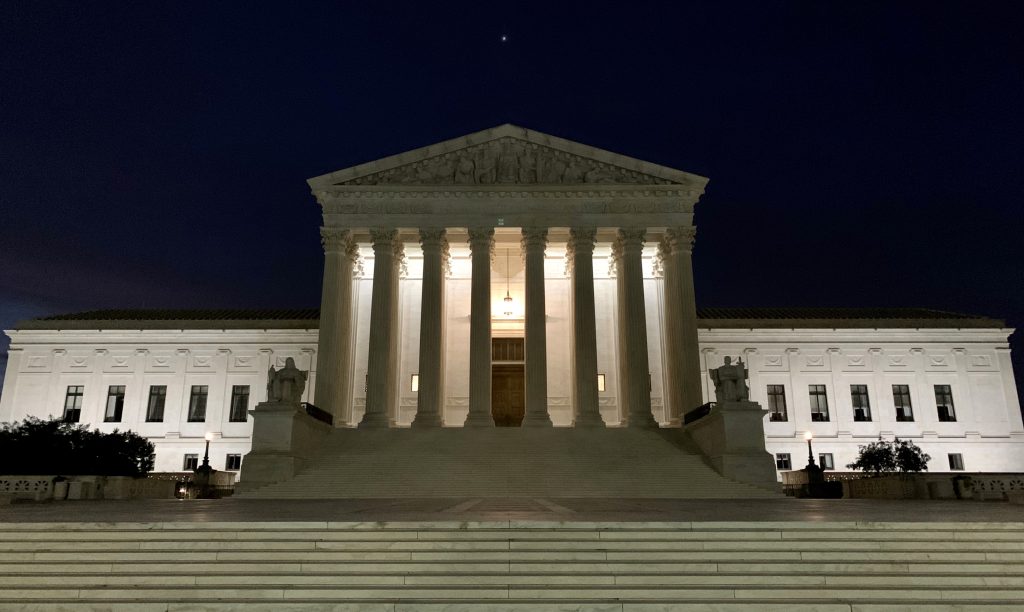
The Judicial Branch
As part of a special concerning the “Freedom For Which the Flag Stands“, and just in time for the elections, I am featuring a special treat for my viewers. In the third of a Five part weekly series for 2024, I am featuring the scope of the Judicial Branch of the U.S. Government. A lot of federal program information is always available and distributed by the Government Printing Office through the GPO Bookstore and the Federal Depository Library Program. Other very interesting info is available is available from the Branches of the U.S. Government | USAGov website. A lot of federal information is available at no cost, but sometimes a self-addressed, stamped envelope with instructions online will be provided and then must be sent if necessary.

Judicial Branch of the U.S. Government:
The Judicial Branch of the government is for justice and order, and hear different types of court cases at different levels, but always honors and portrays exactly as it is written in the U.S. Constitution.
- Most federal cases involved are involving F.B.I. cases, C.I.A. cases, areas where crimes are considering the fact that a criminal crossed state lines, espionage, treason, and other miscellaneous cases. The cases are always at the People of the United States as the plaintiff versus a defendant. If it turns out that it is at state jurisdiction level, you can contact each state from the federally provided court list to find out about your individual state at: State Court Web sites | NCSC.
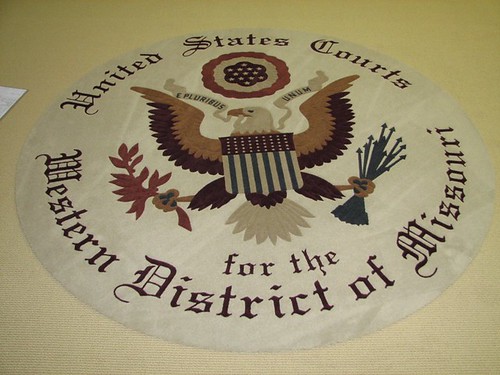
US Court Western District of Missouri courtesy of Pixabay
The U.S. Courts:
|
JUDICIAL BRANCH OF THE U.S. GOVERNMENT: U.S. COURTS
|
|
U.S. Tax Court for cases relating to the U.S. Treasury and Internal Revenue Service
|
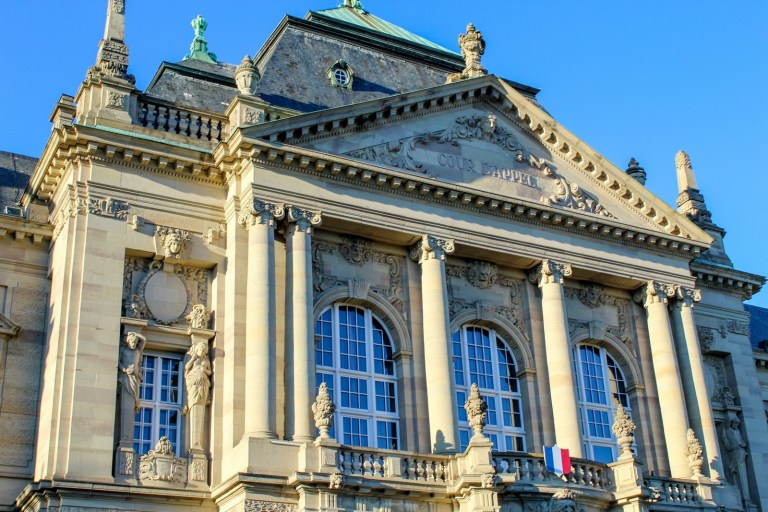
Photo by Corentin courtesy of Openverse
U.S. Court of Appeals is divided into two branches:
|
U.S. COURT OF APPEALS
|
|
Court of Appeals for the Federal Circuit with more information or the role structure at Court Role and Structure | United States Courts
|
|
U.S. Court of Appeals for Veterans Claims or Court of Appeals for the Armed Forces for cases whereby veterans of our military services are involved
|

Pixabay at Pexels
The U.S. Supreme Court:
The U.S. Supreme Court is the highest court in the United States. Justices of the Supreme Court are nominated by the President and must be approved by the Senate. The U.S. Supreme Court with the exception of being instilled is nonpartisan, and is supposed to follow the laws of the U.S. Constitution, forgoing any and all partisan and bipartisan values.
|
THE U.S. SUPREME COURT
|
|
Nine members make up the Supreme Court — a Chief Justice and eight Associate Justices. There must be a minimum or quorum of six Justices to decide a case.
|
|
If there is an even number of Justices and a case results in a tie, the lower court’s decision stands.
|
|
There is no fixed term for Justices. They serve until their death, retirement, or removal in exceptional circumstances.
|
Photo by vanna44 on Unsplash
The Tribal Courts:
|
TRIBAL COURTS
|
|
Tribal Courts are for cases whereby Native American Indians and/or on the jurisdiction of or within a Native American Indian Boundary area. A Tribal Court Directory is hereby listed for more information.
|
Government is needed to keep structure, law, order, justice in everyday living. Every society in the world including Antarctica, and as I researched now has some type of government. Past history provides the results of total lack of law and order, or justice always fail and falter, and total KAOS and disorder result, if and when more than a family try to live life in harmony, due to different personalities and ways of upbringing. Principles are very important to live in any type of society through the ages, especially our modern society.
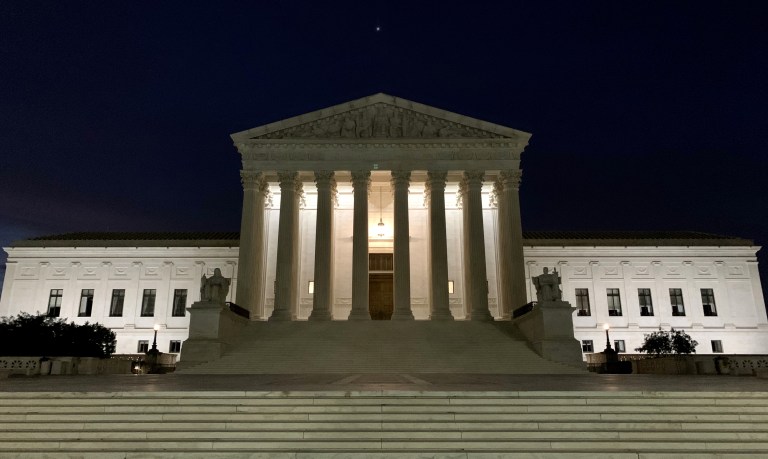
United States Supreme Court Building at night courtesy of Openverse
PART 3: Freedom For Which the Flag Stands Series
Post was logistically reordered, revised and republished from the original Versatileer posts in September 2020.
Legislative Branch: How Government Works – PART I of Freedom For Which the Flag Stands Series ’24
Executive Branch: How Government Works – PART II of Freedom For Which the Flag Stands Series ’24
More on Versatileer:
![Steam Zombie Santa.jpg]()
NORAD Tracks Santa Live on Christmas Eve – 2025
12/24/2025![two-ice-cream-cups-1362534 ice_cream_1689542531.jpeg Teejay at Pexels]()
Happy National Ice Cream Sunday – 2023
07/16/2023![Kellart Lake, Cissna Park, IL #1__20191223_140756._1024x768px.jpg]()
Featured Photo: Winter Weather Special – Kellart Lake, Cissna Park, Illinois
03/16/2023![Hidden Justice Broken Promises Blitz__BUTTON.jpg]()
Ends 05-31 – Hidden Justice & Broken Promises by Diana Muñoz Stewart Book Blitz + $20 Amazon Gift Ca...
05/29/2023![Overlook Mansion (Civic Club of Harrisburg), Front Street, Harrisburg, PA.jpg]()
Happy National Civic Pride Day – 2024
11/10/2024


























Thanks for sharing