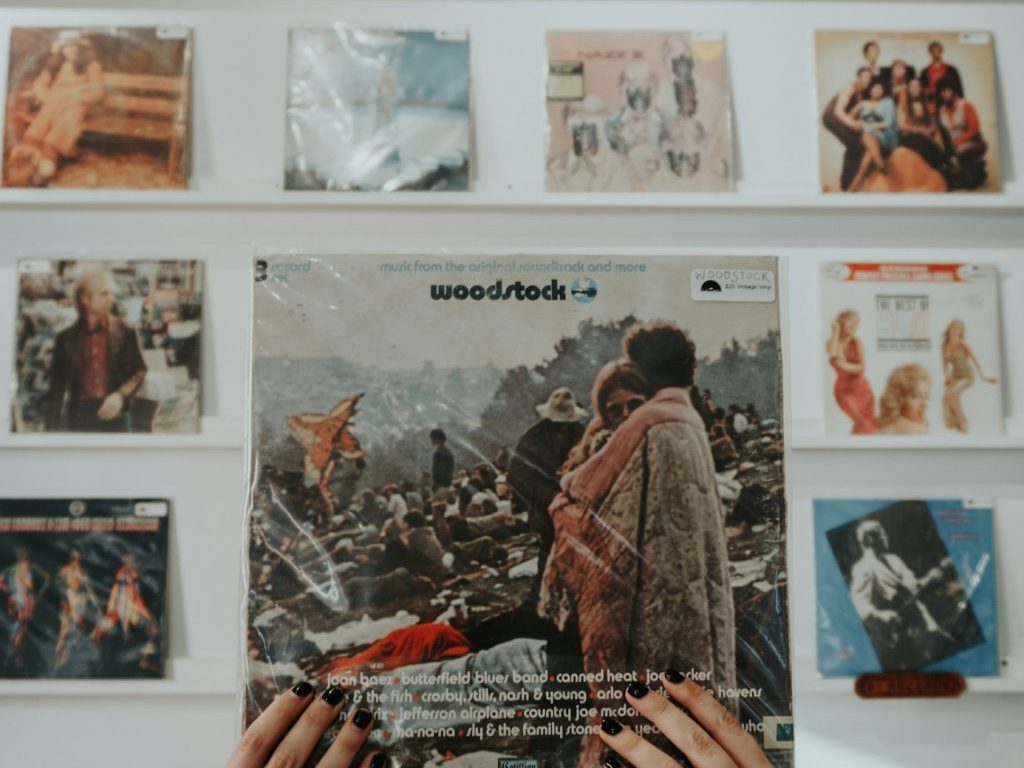
Happy Record Store Day!
Today is National Record Store Day for 2024! What a flashback. . .
Happy National Record Store Day ! ! !
💿 💿 💿 💿 💿 💿 💿 💿 💿 💿 💿 💿 💿 💿
A Brief History:
Origination: The record store is just about as old as the record. The first shops opened in the late 19th century, selling at first only gramophone records. The phonograph was invented by Thomas Edison in the year of 1877. He was able to attribute his skill at inventing a product that was able to render an audio signal out of a pressed vinyl “record” and have the record on a turntable style “phonograph”. The origination of vinyl progressed through the invention of more products and players throughout the years. The days of most availability of all of the mediums was in the 1950’s when an era called “The Battle of The Speeds” existed, where some people preferred the 33-1/3 RPM LP record, others preferring the new 45 RPM single, and yet the old timers kept insisting on the 78 RPM speed record. Record stores always assisted in making sure records were available for sale to the consumer.

Photo by Mick Haupt on Unsplash
78 RPM Records: Record stores switched from the same of gramophone records to the newer widely sold 78 RPM record. The first rendition of a record that I remember was my parents record collection of 10-inch diameter records that were 78 revolutions per minute (RPM), a single song per side style record. You could get vertigo by watching the revolving turntable. Due to a shellac shortage during World War II, the end of the 78 RPM record era came about. The last 78 records were produced in 1959.
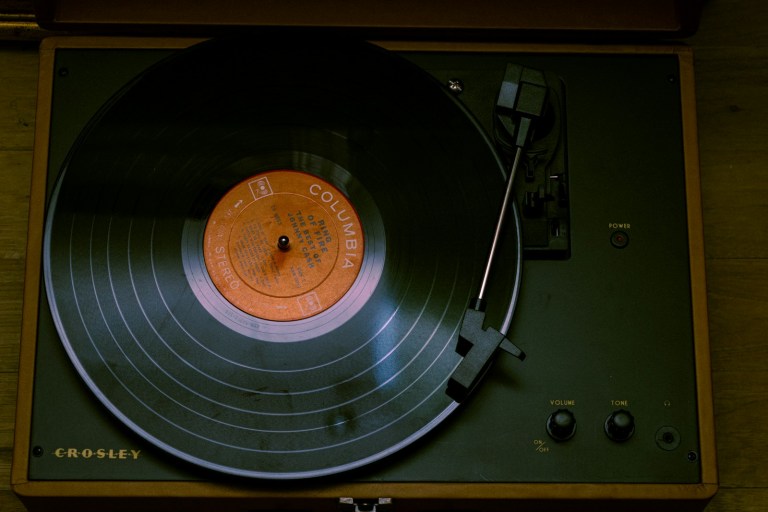
Photo by Joe Vasquez on Unsplash
33-1/3 RPM Records: Record stores were able to bring a newer, greatly way more playable, and way, way longer lasting 33-1/3 RPM record. They lasted far longer because of the amount of petroleum added to make a 33-1/3 RPM record more pliable, but also, the torque force of a needle going way slower presented way more plays before pops would set in, and overall “disappearing” of the music or material on the record. The sales of these records became widely sold all the way from the 1950’s into the 1980’s, so it was a great trio of decades where record stores sold records. In the year 1931, RCA Victor launched the first commercially available vinyl long-playing (LP) record, a program of disks that were marketed as program-transcription discs. These revolutionary discs were designed for playback at 33-1⁄3 RPM and pressed on a 12-inch diameter flexible plastic disc, with an initial duration of about ten minutes playing time per side. Records went through some tinkering, and RCA was able to render a final playtime of 22 minutes per side, or 44 minutes total album playtime, by flipping the disk on side “B”, after which time, the original ten-minute disks were renamed “EPs” for Extended Play. The term DJ stands for a disk (record) jockey.
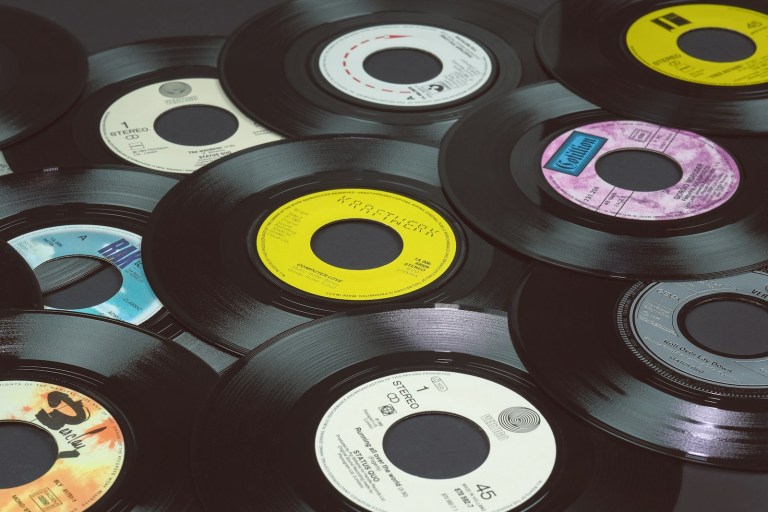
Photo by Eric Krull on Unsplash
45 RPM: Just like the sister 33-1/3 RPM record, the 45 RPM record was a staple sale at all record stores for the distribution of a single with a “B” side. The 45 RPM industry fostered in the radio format “Top 40”, meaning a playlist that rotated on popular format radio to give a playing list of popular songs that were played over and over. America’s Top 40 led the countrywide sale availability of those 45 RPM records. Record stores usually had a either a small section or aisle end-cap section with those 45’s for sale. Record stores were able to bring a newer, greatly way more playable, and way, way longer lasting 33-1/3 RPM record. The sales of these records became widely sold all the way from the late 1950’s into the 1980’s, so it was a great quarter of a century where record stores sold records. They also typically sold those center hub spindles for people who had a player that did not include a gum attachment. The 45 RPM typically did not last as long as a 33-1/3 RPM due to the added force of torque presented from the transfer of the needle’s wear and tear, with a record spinning at almost twice the speed as the 33-1/3 RPM album record. The sales of these records became widely sold all the way from the 1950’s into the 1980’s, so it was a great trio of decades where record stores sold records. The “45”, named after its 45 RPM property, was also known as the seven-inch record. It used to be the most common type of vinyl single produced, initially released back in 1949 again by RCA. It was considerably more durable as compared to a 78 RPM record, and much cheaper to produce than the 12-inch LP record. In order to play the single on most record players, the hub had a 1-1/2-inch diameter, so the turntable had to have a built-in adapter that could be raised into an “up” position in order to play the to attach the widely hubbed record to the spindle.

The “45” continued into the 1980’s when all vinyl came to a grinding halt due to the popularity of the cassette tape.
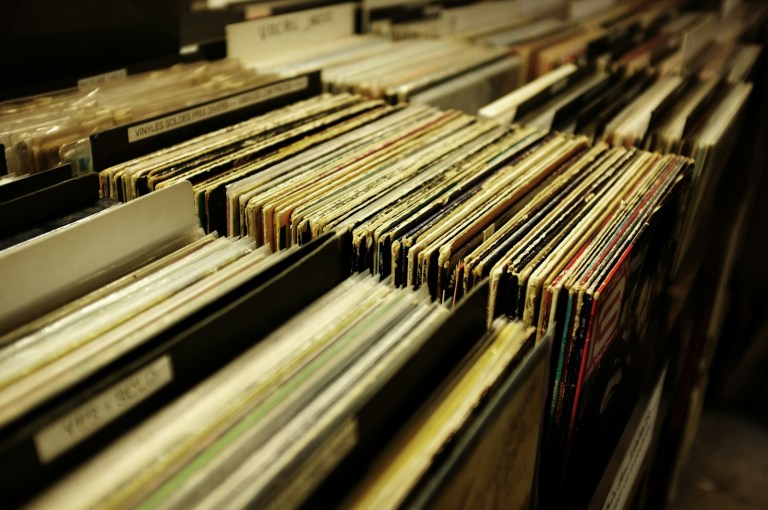
Photo by Mr Cup / Fabien Barral on Unsplash
The Death of the Record Store: The record store went through some amazing changes in the 1980’s, distributing the newly released compact disk (digital audio disk). Everyone thought the term record store was old, but few changed the name because the term “music store” was always a reserved term for people who play musical instruments. The term record store lasted so long that the term lasted even though eventually a record store didn’t even have a record for sale, after the record industry dropped the sale of a record. Record stores sold CD’s, DVD’s and many more types of releases well into the early 2000’s. Sales at record stores slowed in the early 2000’s when the internet allowed people to upload and download copies (Illegally and legally) through services like Napster and many other peer-to-peer sharing services. The early days of internet, mostly using telephone lines were too slow to stream music (and especially video), so these Napster-like services allowed people to “record” a song or video and resume recording right where you left off, until the song was done and playable. Then the death of the record store came mid to late 2000’s when many groups started issuing many song releases that weren’t even on an album, and extended play (EP) sales were never quite like an album. The real dagger to the record store came in 2007 with MP3 players, and services like YouTube Spotify and SoundCloud, where on-demand requests to listen to music are able to be initiated through the use of searches and playlist capability. Department stores shifted effort over from CD sales to DVD and video style entertainment, but even transpired to an electronic section where a combination of video equipment, combined with phones, computers and other devices that bring entertainment to life are sold. Nowadays, bands make a lot more revenue from going on a concert tour, because of the disappearance of records. Record stores are so rare (but not as rare as video stores), there are only 405 stores left worldwide, and 206 stores across America, and the employment of 9,897 people worldwide, but that figure considered people working in the internet sales and also delivery of records and such by mail and delivery, including at Amazon.
Music Format Statistics: Showing that streaming is king. . . by F-A-R!!
| Music Formats Statistics – 2023 | ||
| Rank | Music formats | Revenue / %’s |
|---|---|---|
| 1 | Streaming | $11.7 B / 97.8893% |
| 2 | Download Single Format | $142.0 M / 1.2136% |
| 3 | LP/EP format | $43.2 M / 0.3705% |
| 4 | CD Format | $37.0 M / 0.3172% |
| 5 | Download Album Format | $20.5 M / 0.1746% |
| 6 | Ringtones & Ring backs | $4.1 M / 0.0340% |
| 7 | Other Digital Format | $0.8 M / 0.0006% |
| 8 | Music Video (Physical) Format | $0.6 M / 0.0004% |
| 9 | Other Physical Format | $0.5 M / 0.0002% |
| 10 | Vinyl Single Format | $0.4 M / 0.0002% |
| Total |
$11,700,000,000 |
|
Celebrated: April 22nd this year, but this holiday changes annually because it is celebrated on the third Saturday of April.

Pineapple Supply Co. at Pexels
A Few Facts:
I am sharing a few facts, and more, some trivia, some not trivial. . .
Most Sought After Records of All Time:
| Fourteen Most Sought After Vinyl Albums of All Time | |
| ARTIST | ALBUM |
|---|---|
| 1. Pink Floyd | Wish You Were Here |
| 2. Daft Punk | Random Access Memories |
| 3. Pink Floyd | The Wall |
| 4. Pink Floyd | The Dark Side of the Moon |
| 5. Michael Jackson | Thriller |
| 6. The Beatles | Abbey Road |
| 7. The Beatles | Let It Be |
| 8. David Bowie | The Rise And Fall Of Ziggy Stardust And The Spiders From Mars |
| 9. The Beatles | Magical Mystery Tour |
| 10. Nirvana | Nevermind |
| 11. Queen | A Night at the Opera |
| 12. Kendrick Lamar | Good Kid, M.A.A.d City |
| 13. Pink Floyd | The Dark Side of the Moon (EP) |
| 14. Radiohead | In Rainbows |
The Present:
People cherish the old record store. Internet had a way too convenient appeal to continue widespread record store sales!
The Future:
Comeback seems not very likely, but let’s see where the market goes from here. . .
FREEBIES & DEALS For National Record Store Day:
💿 FREE: National Record Store Day: Fonts
💿 FREE: National Record Store Day: Crafts + Printable
💿 CHEAP: National Record Store Day: Ideas, Crafts & Worksheets
💿 FREE: National Record Store Day: AT “Hey It’s Free”
Hashtags:
#RecordStore #Records #Record #Vinyl #VinylCollection #RecordCollection #VinylCommunity #VinylCollector #VinylRecords #VinylJunkie #VinylJunkies #Music #VinylAaddict #RecordCollector #NowSpinning #RPM #NowPlaying #LP #LPs #RecordStore #VinylLover #VinylLovers #VinylLove #Rock #ClassicRock #Punk #Jazz #Soul #Funk #HeavyMetal #Metal #RecordOfTheDay #Turntable #DJ #VinylRecord #OnMyTurntable #Album #VinylClub #RecordShop #Vintage #RecordPlayer #SevenInchRecord #SevenInch #TenInchRecord #TenInch #TwelveInchRecord #TwelveInch #VinylGeek #RecordCollecting #Audiophile #ColoredVinyl #VinylAddiction
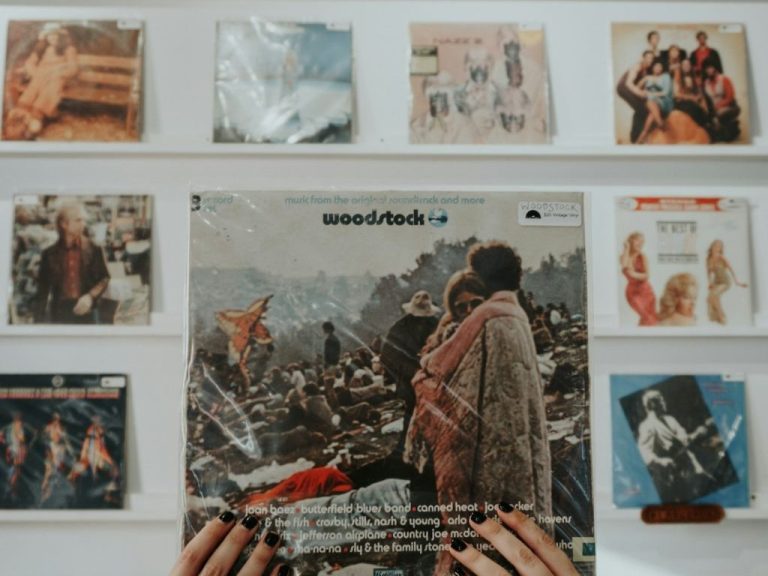
Photo by Haley Lawrence on Unsplash
National Record Store Day!
More on Versatileer:
![INSTA_WickedAmbition_.png]()
Ends 07-30 – Wicked Ambition: The Lost Treasure by Patti O’Shea Book Blitz + $20 Amazon Gift Card Gi...
07/19/2025![two_cpac_2d0_03_00_20230808__Dora.jpg]()
From the Satellite...Pacific Hurricane Dora on .GIPHY, Video + 2023 Season Info
09/10/2023![Have You Seen Him Kimberly Lee.png]()
Ends 11-19 – Have You Seen Him by Kimberly Lee Book Blitz + $25 Amazon Gift Card Giveaway
11/09/2025![Ends 12-13 – Wicked Knight 2 by Diana A. Hicks Book Tour & Guest Post + $25 Amazon Gift Card Giveawa...]()
Ends 12-13 – Wicked Knight 2 by Diana A. Hicks Book Tour & Guest Post + $25 Amazon Gift Card Giveawa...
12/03/2023![Greetings from Kentucky - Large Letter PostcardGreetings from Kentucky - Large Letter Postcard]()
Happy National Kentucky Day – 2025
10/25/2025





























I actually really love that vinyl has made such a comeback! The sound on it is actually really amazing. Its cool to see that it doesn’t seem to be a dying trend!