Asbestos is never a great find. Do you need to get rid of it all? Proper handling of the find of present asbestos is paramount. Here are some tips and pointers to assist in being smart handling asbestos. There is a link to even more tips from a professional. . .A legal team who can steer you in the proper direction with issues including legitimate legal handling of this age old menace.
⛏️ Scope of What Asbestos Is:
Asbestos, a group of six silicate mineral fibers found naturally in the earth’s crust, was extensively used in residential construction before 1986. It was incorporated into various products such as roofing shingles, floor tiles, insulation, and drywall. However, disturbing these products, whether through commercial activities like drilling or sanding, or natural events like earthquakes or severe storms, can release hazardous asbestos fibers into the air.
🛠 Properly Identifying the Presence:
It is crucial to understand that asbestos fibers, which are microscopic and can only be seen with an electron microscope, pose a significant risk when inhaled. The human body is incapable of absorbing or dissolving these fibers, leading them to embed deep within the lungs. Over a span of 10 to 40 years or more, these fibers can cause the development of scar tissue and cancer cells.
🛠 Why the Danger was Not Only Amplified But Totally Ignored:
Despite its hazardous nature, asbestos was widely used in homes and business locations due to its exceptional properties. These included fire and heat resistance, chemical inertia, non-conductivity to electricity, tensile strength, flexibility, and water resistance. Regarded as a “miracle mineral,” asbestos was utilized for insulation, fireproofing, soundproofing, and various other purposes in residential construction. Its abundance and affordability made it a popular choice. It is important to note that asbestos manufacturers were aware of the health risks linked to asbestos exposure as early as the late 1930s.
🧑🏼🔧 Scenarios Where Danger Lurks:
Asbestos, a hazardous material, was extensively used in residential buildings until the public became aware of its dangers. In response, manufacturers were permitted to exhaust the existing supply before phasing out its use by 1986. Throughout the 20th century, asbestos found its way into over 3,000 building products. In older homes and structures constructed prior to 1986, common areas where asbestos can be found include roofing shingles or siding made of asphalt or cement, insulation blankets and tapes for steam pipes, hot water pipes, boilers, and furnace ducts, floor tiles made of vinyl, asphalt, and rubber, as well as the adhesive used for installation, and various products associated with woodburning stoves, furnaces, or coal stoves, such as door gaskets, surrounding wall insulation, and decorative elements like fake embers in gas fireplaces. Here are a few areas where you may find lurking danger:
- Roofing materials such as asphalt or cement shingles, as well as siding made from the same materials.
- Insulation materials like asbestos blankets and tapes, commonly used to insulate steam pipes, hot water pipes, boilers, and furnace ducts.
- Various types of floor tiles including vinyl, asphalt, and rubber, along with the adhesive used for their installation and the backing on vinyl sheet flooring.
- Products utilized in conjunction with woodburning stoves, furnaces, or coal stoves, such as door gaskets, surrounding wall insulation, and decorative elements like fake embers in gas fireplaces.
- Soundproofing and decorative substances sprayed onto walls and ceilings, including the once-popular popcorn ceilings from the 1960s to the 1980s.
- Acoustic ceiling tiles designed to enhance sound quality in buildings.
- Construction compounds such as plaster, joint compounds, textured paint, adhesives, and caulking.
- Household items such as fire-resistant gloves, stove-top pads, ironing board covers, curtains, and specific hairdryers. Numerous property owners were willing to pay a higher price for asbestos curtains, as they were advertised for their ability to resist fire and reduce noise.
- Wallpaper produced prior to the 1980s, particularly those with a vinyl finish, along with the corresponding adhesive.
- Insulation for walls and ceilings.
- Asbestos furnace flues made of transite, which are lined with asbestos. These flues have a tendency to deteriorate over time, crumble, and collapse. During this process, asbestos particles can be drawn back inside the building.
- Drywall, as well as the mud and tapes used in its installation.
- The housing for electrical panels.
Vermiculite insulation gained popularity as a form of insulation until 1990. Although vermiculite itself is harmless, a significant portion of the nation’s vermiculite, around 70 percent, was mined in Libby, Montana from 1919 to 1985. Unfortunately, this vermiculite was contaminated with asbestos. Once the contamination was uncovered, the mine was closed in 1990. However, there is a possibility that some products containing this contaminated vermiculite may have still been sold.
🌀 Natural Disasters & Asbestos:
While it is not legal to remove asbestos, mother nature follows her own set of rules. Natural destruction always leads to the necessity to a proper cleanup of asbestos. Here are some areas of particular interest:
- Floods: Floods can lead to water damage in your home or business, which can cause materials containing asbestos to expand or break, potentially releasing asbestos fibers into the air.
- Earthquakes: Earthquakes can cause cracks and damage in buildings, which can disturb asbestos-containing materials. It is crucial to have your home or business inspected for asbestos contamination immediately after an earthquake, particularly if it is an older property.
- Hurricanes: In the the aftermath of a hurricane can be incredibly destructive and have far-reaching effects. Many individuals affected by hurricanes are forced into survival mode as they grapple with meeting their most basic needs, particularly when the damage is extensive. While concerns about an unseen air particulate may not initially appear to be a top priority, it is crucial to consider the potential dangers of disturbed asbestos and the long-term detrimental health consequences it can cause.
- Wildfires: Even if asbestos has been professionally contained, both wildfires and house fires have the ability to disrupt it. This can result in the rapid release of asbestos into the air, which can then be inhaled along with the smoke. Even after the fire has been put out, asbestos-containing products within the house can still release asbestos fibers for an extended period of time. Therefore, it may be imperative to promptly address the situation and take necessary remedial measures.
- Tornadoes: Even without directly hitting your house, tornadoes have the potential to cause harm to asbestos-containing roof shingles and siding due to the impact of flying objects, debris, or strong winds. It is important to note that even professionally enclosed asbestos in the home or business can become friable and pose a hazard in cases of direct impact.
- Severe Thunderstorms: The potential for asbestos disturbance in your household extends to thunderstorms as well. Lightning strikes lead to the same dangers that wildfires bear. Falling trees or branches can impact asbestos-laden roof shingles, thereby causing damage to the siding.
🫁 What to Do If You Think You Have Asbestos:
Despite the ban on most uses of asbestos in 1978, it is still possible to find asbestos in houses constructed during the 1980s, 1990s, and even later. Surprisingly, instances of asbestos contamination have been discovered in common construction materials and home or business repair compounds as recent as 2007. Furthermore, asbestos is still legally utilized in products that encapsulate it, such as vinyl floor tiles, cement pipe, and asphalt roofing. If you come across any product that you suspect contains asbestos, it is crucial not to touch it or disturb the surrounding structures, as this could potentially release asbestos fibers into the air. It is imperative to have the substance examined by a professional specializing in testing asbestos. Here are some recommendations if you think that your home or business has asbestos:
- Testing For the Presence of Asbestos: Asbestos testing is conducted to determine whether asbestos is present and if it poses a hazard. The hazardous nature of asbestos arises when it is disturbed or damaged. Friable asbestos, which is crumbly or easily torn, is always hazardous unless it is enclosed. On the other hand, asbestos that is well-maintained and intact does not release fibers into the air and is not considered a threat to human health. The purpose of asbestos testing is to ascertain the presence of asbestos and assess its potential hazard. The hazardous nature of asbestos arises when it is disturbed or damaged. Friable asbestos, which is crumbly or easily torn, is always hazardous unless it is enclosed. Conversely, asbestos that is well-maintained and intact does not release fibers into the air and does not pose a threat to human health.
- Removal Requires the Testing For Presence: Asbestos testing is utilized to determine whether asbestos is present and to evaluate its potential hazard. The hazardous nature of asbestos arises when it is disturbed or damaged. Friable asbestos, which is crumbly or easily torn, is always hazardous unless it is enclosed. However, asbestos that is well-maintained and intact does not release fibers into the air and is not considered a threat to human health.
- Tests Reveal the Important Plan For Abatement: The purpose of asbestos testing is to confirm the presence of asbestos and assess its potential hazard. Asbestos becomes hazardous when it is disturbed or damaged. Friable asbestos, which is crumbly or easily torn, is always hazardous unless it is enclosed. Conversely, well-maintained and intact asbestos does not release fibers into the air and is not deemed a threat to human health.
- Procedures: The asbestos testing procedure encompasses the subsequent steps:
- A thorough visual inspection
- Meticulous collection of samples
- Laboratory analysis of the collected samples
- A comprehensive written assessment of the results
- A compilation of recommendations.
If the asbestos is determined to be properly contained and undamaged, the most probable suggestion would be to leave it undisturbed. Nevertheless, certain homeowners opt for additional measures to ensure peace of mind. Should you choose to proceed with such actions, it is crucial to never attempt them on your own. It is always advisable to engage the services of a professional abatement contractor.
🧑🏼🔧 Guide to Working With a Contractor:
Removal or proper preparation are a process. You need always make sure that whatever happens, proper handling and also legal handling is always following proper protocol. FInding out later is never a good option. Always make sure that a professional is consulted in order to make sure that being penny wise does not turn to pound foolish. Here are some pointers:
- Asbestos Repair: Asbestos repair involves the containment of asbestos without its removal, offering a less drastic and safer approach. There are various methods available for this purpose, including encapsulation. In encapsulation, asbestos materials are coated with a sealant that effectively locks in the fibers, preventing them from becoming airborne. Another method is to wrap or cover the asbestos materials with airtight material, ensuring the fibers are not released.
- Hiring a Professional Asbestos Removal Company: The decision to choose an asbestos abatement company is undoubtedly one of the most crucial choices you will make when it comes to removing asbestos. A single mistake made by the company could not only put your health at risk but also the health of your family and anyone who enters your home. Therefore, it is imperative to conduct thorough research on the abatement companies in your area and verify their credentials. To ensure that you hire a trustworthy company, it is recommended to follow these best practices:
- Familiarize yourself with the local, state, and federal laws that regulate asbestos removal procedures.
- When selecting an inspector, opt for a company that solely specializes in inspection and does not offer asbestos removal services. This eliminates any potential conflict of interest.
- Request documentation from the company that proves their completion of the necessary training.
- Verify that each individual involved in the work holds separate accreditation.
- Sign a contract that clearly outlines the work plan, cleanup procedures, and compliance with relevant laws and regulations.
- Ensure that the contractor follows practices that prevent the spread or tracking of asbestos into other areas of your home.
- Pose specific questions to the contractor regarding their removal methods, such as the use of wet methods, decontamination, area cleaning, HEPA filtration, and proper disposal.
- Ask for references and, if possible, reach out to former customers to inquire about the quality of work provided by any company you are considering.
- If you have any questions regarding required training, accreditation, or licensing, don’t hesitate to contact your state asbestos agency. By adhering to these guidelines, you can make an informed decision and hire an asbestos abatement company that you can trust to prioritize your safety and well-being.
🎯 The What-To-Do’s and What Nots:
The proper hiring of a professional could be the most important factor of handling the situation of finding asbestos in either of your home or business. The stress alone can be baffling. When asbestos is found, clearly make sure that you DO NOT:
- It is crucial to remain calm and composed. As long as asbestos remains undisturbed and in good condition, it is generally safe. It is imperative to prevent children and pets from accessing areas where asbestos could be easily disturbed.
- Avoid sweeping or vacuuming debris that contains asbestos. Instead, it is recommended to have a professional use specialized equipment to wet mop or vacuum such debris.
- Refrain from sawing, sanding, scraping, or drilling holes into materials that contain asbestos.
- Do not strip, sand, or use abrasive equipment on flooring materials that contain asbestos.
- It is important to avoid walking through asbestos debris.
- It is highly advised not to attempt to remove asbestos on your own.
☣️ Asbestos Removal:
Asbestos removal is regarded as an extreme measure, typically advised solely when asbestos poses a threat or has the potential to pose a threat that cannot be safely contained by any other means. This procedure necessitates the evacuation of the affected area and, potentially, the entire residence for the duration of the process. Abatement professionals are required to wear personal protective equipment, which consists of suits and respirators. The abatement procedure is carried out in the following manner:
- The work area is securely sealed to prevent the release of fibers.
- The contractor utilizes hand tools and wet methods to carefully remove the asbestos.
- Asbestos materials are placed in double plastic bags that have a thickness of 6 mm minimum.
- HEPA filters and equipment are employed to purify the air.
- Regular inspections are conducted during the process.
- The work area is thoroughly cleaned using HEPA vacuums and wiped down.
- A decontamination chamber, equipped with a shower, is established and utilized when exiting the work area.
- The area is retested to ensure that the air is completely free of asbestos fibers.
- The plastic sheeting is removed, and the area is re-cleaned using the HEPA filter.
- Asbestos materials are appropriately labeled and disposed of in a sealed dumpster at an approved asbestos disposal site. A DTSC (Department of Toxic Substance Control) certificate is mandatory.
⚠️ Recap:
Recycled asbestos has the potential to be transformed into a range of silicate glass products that are free from the hazardous mineral. Although it may seem appealing to handle asbestos removal on your own to save money, the repercussions of improper removal can be far more expensive when taking into account the devastating impact of asbestos-related diseases such as mesothelioma. By investing in appropriate asbestos remediation, you not only safeguard your well-being but also attain a lifetime of tranquility.
🔋 More Energy Resources, All on One Page:
Legal Assistance: if needed to diagnose your legal right to professional assistance in handling your asbestos related concern:
More, use the following resource: www.lanierlawfirm.com
Other Miscellaneous Resources:
Domestic Water Conservation Technologies: Federal Energy Management Program (FEMP) Federal Technology Alert (Booklet):
More, use the following resource: www1.eere.energy.gov/femp/pdfs/22799.pdf
ENERGY USAGE CALCULATOR: Interactive comparison tool courtesy of Energy Use Calculator: energyusecalculator.com
 ENERGY USAGE CALCULATOR: Interactive comparison tool courtesy of saveonenergy.com
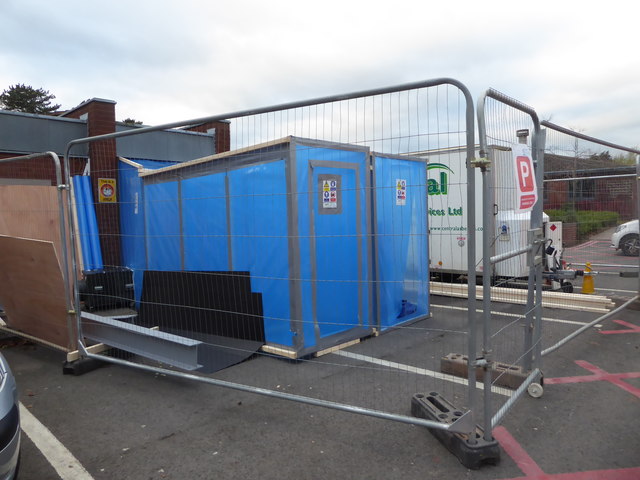
Mental Health Trust – asbestos removal by Chris Allen is licensed under CC-BY-SA 2.0
Being Smart Handling Asbestos
More on Versatileer:
![jesus-christ-wooden-sculpture-744916 lords_supper_1650076390.jpeg Francesco Paggiaro at Pexels]()
Happy Good Friday – 2022
04/15/2022![20221006_204328.jpg]()
Featured Photo: The 13 Days of Halloween – Day 3: Creepy Haunted Graveyard
10/21/2022![wp-17344698444127718511156449209211.jpg]()
Featured Photo: Christmas Flower of the Day '24 – Bouquet #7
12/18/2024![nat geo spring giveaway (1).jpg]()
Ends 3-31 – National Geographic Kids Books Mega Prize Pack Giveaway!
03/02/2022![Featured Photo: NASA Retro Mission Patch Party – Photo 21]()
Featured Photo: NASA Retro Mission Patch Party – Photo 21
03/10/2021



























Thank you for sharing about this important issue