Happy Espresso Day!
Today is National Espresso Day for 2025! How delicious, and happening at such a great time of the year. . .
Happy National Espresso Day ! ! !
☕ 🍺 🍲 🍵 🍻 ♨️ ☕ 🍺 🍲 🍵 🍻 ♨️
A Brief History on Espresso:
Founded By: Espresso variations can include using cream, non-dairy milk, or flavorings like cocoa or cinnamon. The drink’s name is inspired by the Capuchin friars and the color of their attire, which is similar to the color of the coffee when milk is added. The espresso was first created in Vienna in the 18th century. The Italian version of the espresso was developed in the early 20th century after the espresso machine was invented. The modern espresso we know today has evolved over time, with early versions featuring whipped cream and spices. The drink gained popularity in Italy during the Austrian domination, spreading to other parts of the country after World War I.

Photo by Karolina Kołodziejczak on Unsplash
DIfference Between Espresso and Coffee: A espresso is an Italian coffee made with espresso, hot milk, and steamed milk foam. Regular coffee can be strong, but never the same as espresso. Espressos and coffee differ in ingredients, taste, preparation, size, and calories. Espressos have espresso, steamed milk, and foam, while coffee is black. Espressos are creamier, sweeter, and richer due to added milk and espresso, while coffee is simpler in taste. Espressos are smaller than lattes, and higher in calories due to milk and foam, but adding sweeteners and milk to coffee can make it equally rich in calories.
More Recently: In 1945, Achille Gaggia invented the modern espresso machine, which helped popularize the espresso. By the mid-1990’s, espressos became more widely available in North America through upscale coffee houses. In the late 1990s to early 2000s, espressos gained popularity in the United States alongside the growth of the American coffee industry. By the start of the 21st century, a simplified version of the espresso was offered at fast-food chains. Making a espresso correctly involves steaming the milk to achieve the right balance of foam, making it a challenging espresso-based drink to prepare. Skilled baristas can also create artistic designs by pouring milk onto the espresso.
First Official National Espresso Day: The exact origin of National Espresso Day is intertwined with the history of the espresso. It is not linked to a specific group or person but is enjoyed by coffee enthusiasts. The actual selection of the day is unknown.
Celebrated: National Espresso Day is celebrated each year on November 23rd.
A Few Facts:
I am sharing a few facts, and more, some trivia, some not trivial. . .
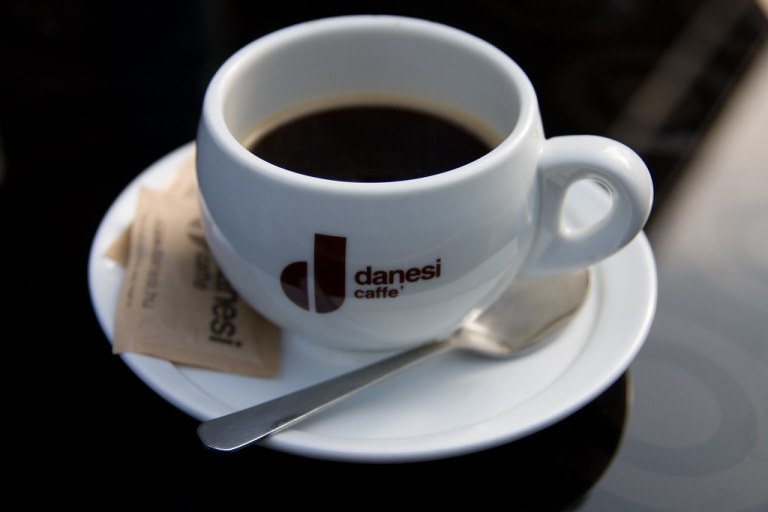
Espresso courtesy of Openverse
More Espresso Facts and Yummy Tales:
Other Variations of Espresso:
- Cappuccino is a coffee beverage that is primarily made with espresso and is typically crafted with steamed milk, topped with a layer of milk foam. There are several variations of this drink, which may include the use of cream in place of milk, the incorporation of non-dairy milk alternatives, and the addition of flavorings such as cocoa powder or cinnamon.
- Latte (Caffè latte), which may also be referred to as caffè e latte or caffellatte, and less accurately as caffelatte, is commonly abbreviated to latte in English. This beverage, originating from Italy, consists of espresso combined with steamed milk and is typically presented in a glass.
- Americano (Caffè americano), commonly referred to as americano or American, is a coffee beverage created by adding hot water to a shot of espresso in a ratio of 1:3 to 1:4. This preparation method preserves the intricate flavors of espresso while producing a lighter drink.
- Ristretto (Caffè ristretto in Italian), is a concentrated form of espresso coffee characterized by a “short shot.” It is prepared using the same quantity of ground coffee as a standard espresso, but with only half the amount of water for extraction. While a typical short shot may resemble a ristretto, it is, in fact, a less potent and more diluted version.
- Flat white is a coffee beverage made from espresso and steamed milk. It typically features a greater ratio of espresso to milk compared to a caffè latte and does not possess the dense foam layer characteristic of a cappuccino. Although the precise origin of the flat white remains uncertain, several café proprietors in Australia and New Zealand assert that they were the first to create it.
- Lungo referred to in Italian as caffè lungo, is a type of coffee beverage prepared with an espresso machine. It is characterized by its Italian-style preparation, which involves extracting a short black coffee with an increased amount of water, ultimately producing a larger coffee known as a lungo.
- Latte macchiato is a type of coffee drink. The term originates from Italian, meaning ‘stained milk’, which describes the preparation method where a shot of espresso is added to steamed milk. This beverage is a variation of the traditional espresso macchiato, which is an earlier creation featuring espresso topped with a small amount of milk or cream.
- Mocha consists of a double shot of espresso combined with either chocolate powder or syrup, and is subsequently finished with steamed milk in a manner similar to that of a latte. In essence, a mocha can be described as a latte with an additional chocolate component.
- Cortado is a Spanish drink that combines espresso with a roughly equal portion of warm milk, which serves to diminish the acidity. However, the specific ratios can vary significantly by region. In a cortado, the milk is steamed but does not possess the frothy and “texturized” quality found in many Italian coffee beverages.
- Doppio refers to a double shot of espresso, produced by utilizing twice the quantity of ground coffee within a larger portafilter basket. This method yields a total of 60 ml of beverage, which is twice the volume of a standard single shot espresso. The term “doppio” is derived from Italian, signifying ‘double.’
- Espresso Macchiato (Caffè macchiato) commonly abbreviated to macchiato in English, is a coffee beverage made with espresso and a minimal quantity of milk, typically in foamed form. The term macchiato in Italian translates to ‘stained’ or ‘spotted’, thus the literal interpretation of caffè macchiato is ‘stained coffee’ or ‘marked coffee’.
- Affogato, fully referred to in Italian as affogato al caffè and gelato affogato al caffè, is a traditional Italian dessert that consists of a scoop of gelato or ice cream, typically in plain milk or vanilla flavor, which is then drizzled with hot espresso. Certain variations may include a shot of amaretto, bicerin, Kahlúa, or other liqueurs.
- Espresso con panna consists of a single or double shot of espresso that is garnished with whipped cream. In France and the United Kingdom, this beverage is referred to as café viennois. Conversely, in northern continental Europe, the term Wiener Melange denotes a distinct drink that is prepared with foamed milk and does not include whipped cream as a topping.
- Red eye is referred to as a cup of drip coffee that includes an additional shot of espresso. The name likely derives from the idea that consuming such a beverage could keep one awake, leading to a sleepless night.
- Breve is an Italian term that means “short” or “brief.” Commonly referred to as Breve Latte or Café Breve, this beverage is composed of equal portions of espresso and cream, along with whole milk.
- Caffè corretto is an Italian beverage that combines caffeine and alcohol, featuring a shot of espresso enhanced with a small quantity of liquor, typically grappa, though sambuca or brandy may also be used. This drink is also referred to as espresso corretto.
- Long black is a popular coffee preparation in Australia and New Zealand, created by adding a single shot of espresso to hot water. This method is akin to an americano, where hot water is introduced to a shot of espresso.
- Romano espresso consists of a single shot of espresso accompanied by a slice of lemon. The lemon slice mitigates the espresso’s bitterness and can be squeezed into the beverage. The term “Romano” translates to Roman, suggesting a link to Rome; however, it is, in fact, an American-style coffee that has its roots in the United States.
- Cappuccino iced coffee is a variation of the traditional cappuccino. It consists of a double shot of espresso, chilled foam, and ice.
- Marocchino is a coffee beverage that originated in Alessandria, Italy. This aromatic drink, which has its roots in Moroccan coffee traditions, represents an evolution of the Piedmontese bicerin. It is a delightful concoction infused with various spices, utilizing 2 to 3 tablespoons of freshly ground espresso beans along with cocoa powder.
- Alps coffee is a coffee beverage created by adding steamed milk to espresso. This drink contains a greater proportion of espresso compared to milk, resulting in a robust and intense flavor profile along with a distinctive aroma.
- Bicerin is a classic hot beverage originating from Turin, Italy, composed of espresso, drinking chocolate, and milk, presented in distinct layers within a small glass.
- Café Cubano, commonly referred to as Cuban espresso, Colada, Cuban coffee, cafecito, Cuban pull, or Cuban shot, is a distinctive form of espresso that has its roots in Cuba. It specifically denotes an espresso shot that is sweetened, traditionally using natural brown sugar that is whipped together with the initial and most robust drops of espresso. Additionally, the term may also encompass coffee beverages that feature Cuban espresso as a primary component, such as café con leche.
- Caffè moca is a type of espresso that consists of roughly one-third espresso, one-third heated milk, and one-third cocoa, served in a tall glass.

Coffee Science: The ‘Extraction Space’ Of Espresso courtesy of Openverse
Click Image to Enlarge
Making of Espresso: A espresso is a well-liked coffee drink consisting of a strong, highly concentrated coffee beverage Italian coffee bean by pushing hot water at high pressure through finely ground coffee beans, wither with an espresso machine or originally by hand. This method of preparation originated in Italy.
Flavors: A perfect shot of espresso has a delicate balance of bitterness, sweetness, and sourness. The beans, acids, and roasting process should all contribute to a bold but not overpowering flavor with a velvety texture and a lingering aftertaste.
⬜⬜⬜⬜⬜⬜⬜⬜⬜⬜⬜⬜⬜⬜⬜⬜⬜⬜
⬜⬜⬜⬜⬜⬜🟥⬜⬜🟥⬜⬜🟥⬜⬜⬜⬜⬜
⬜⬜⬜⬜⬜🟥⬜⬜🟥⬜⬜🟥⬜⬜⬜⬜⬜⬜
⬜⬜⬜⬜⬜⬜🟥⬜⬜🟥⬜⬜🟥⬜⬜⬜⬜⬜
⬜⬜⬜⬜⬜⬜⬜🟥⬜⬜🟥⬜⬜🟥⬜⬜⬜⬜
⬜⬜⬜⬜⬜⬜🟥⬜⬜🟥⬜⬜🟥⬜⬜⬜⬜⬜
⬜⬜⬜⬜⬛🟥⬛⬛🟥⬛⬛🟥⬛⬛⬜⬜⬜⬜
⬜⬜⬛⬛🟫🟫🟥🟫🟫🟥🟫🟫🟥🟫⬛⬛⬜⬜
⬜⬛🟫🟫🟫🟫🟫🟫🟫🟫🟫🟫🟫🟫🟫🟫⬛⬜
⬛🟫🟫🟫🟫🟫🟫🟫🟫🟫🟫🟫🟫🟫🟫🟫🟫⬛
⬛⬛⬛🟫🟫🟫🟫🟫🟫🟫🟫🟫🟫🟫🟫⬛⬛⬛
⬜⬛⬛⬛⬛⬛🟫🟫🟫🟫🟫🟫⬛⬛⬛⬛⬛⬜
⬜⬜⬛⬛⬛⬛⬛⬛⬛⬛⬛⬛⬛⬛⬛⬛⬜⬜
⬜⬜⬛⬛⬛⬛⬛⬛⬛⬛⬛⬛⬛⬛⬛⬛⬜⬜
⬜⬜⬜⬛⬛⬛⬛⬛⬛⬛⬛⬛⬛⬛⬛⬜⬜⬜
⬜⬜⬜⬛⬛⬛⬛⬛⬛⬛⬛⬛⬛⬛⬛⬜⬜⬜
⬜⬜⬜⬜⬛⬛⬛⬛⬛⬛⬛⬛⬛⬛⬜⬜⬜⬜
⬜⬜⬜⬜🟫🟫🟫⬛⬛⬛⬛🟫🟫🟫⬜⬜⬜⬜
⬜⬜⬜⬛⬛⬛🟫🟫🟫🟫🟫🟫⬛⬛⬛⬜⬜⬜
⬜⬛⬛⬛⬛⬛⬛⬛⬛⬛⬛⬛⬛⬛⬛⬛⬛⬜
⬜⬜⬛⬛⬛⬛⬛⬛⬛⬛⬛⬛⬛⬛⬛⬛⬜⬜
⬜⬜⬜⬜⬜⬜⬛⬛⬛⬛⬛⬛⬜⬜⬜⬜⬜⬜
⬜⬜⬜⬜⬜⬜⬜⬜⬜⬜⬜⬜⬜⬜⬜⬜⬜⬜⠀
Nowadays:
U.S.: I am truly confident that in the U.S., the espresso trend will continue everywhere–on and on! We like the days celebrating espresso, anyway—any day
Worldwide: The world loves espresso! How yummy. . .
FREEBIES & DEALS For National Espresso Day:
♨️ FREE: National Espresso Day: Fonts
♨️ FREE: National Espresso Day: Craft + Printables
♨️ CHEAP: National Espresso Day: Ideas, Crafts & Worksheets
♨️ FREE: National Espresso Day: AT “Hey It’s Free”
Hashtags:
#NationalEspressoDay #Espresso #EspressoCup #EspressoDay #EspressoLover #EspressoLovers #EspressoTime #Beverage #Fall #EspressoTime #EspressoDaily #EspressoLovers #EspressoLove #EspressoShop #EspressoVibes #EspressoBreak #EspressoMoment #EspressoFirst #EspressoMugs #EspressoCake #EspressoAddict #EspressoAddicts #Espressoholic #ILoveEspresso #EspressoLife #EspressoLatte #InstaEspresso #Barista #BaristaLife #Espresso #InternationalEspressoDay
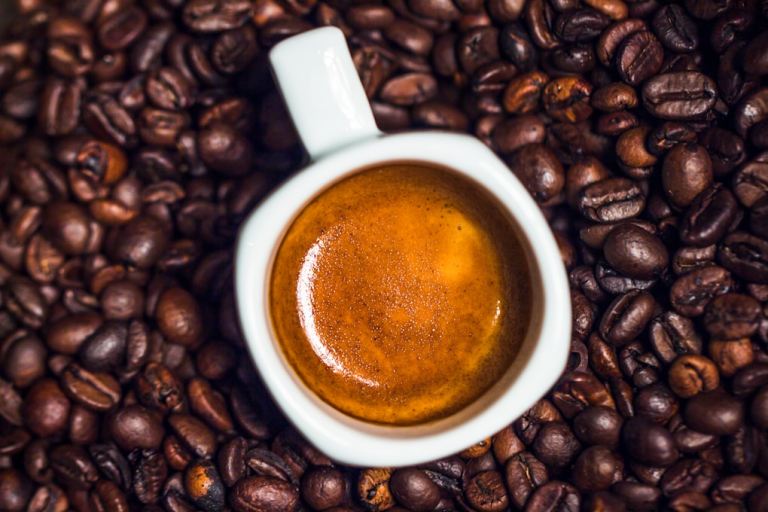
Photo by Sahand Hoseini on Unsplash
National Espresso Day
More on Versatileer:
![20211020_213219.jpg]()
Featured Photos: The 13th Hour of The 24 Hours of Halloween: Sally's Nightmare on Melvina
10/31/2021![Easter '23 - Montage.jpg]()
Featured Photo Montage: Easter – 2023
05/28/2023![wp-17280531931292508482424303633476.jpg]()
Featured Photos & Video: The 31 Days of Halloween – Day 4: South Side Graveyard on 158th Street, Oak...
10/04/2024![TheProfessor-v21.jpg]()
Ends 04-03 – The Professor by Skye Warren Book Blitz + $5 Amazon Gift Card Giveaway
03/24/2024![florida_walt-disney-world-cinderellas-castle-1__fujicolor-400-1-e1607895974952.png]()
Photo of the Day: Cinderella's Castle - Walt Disney World - Florida
04/17/2020