
Versatileer Brings you this post in regards to the “The Hobby Effect: How Everyday Interests Help Shape a Fuller Life” by Charlene Roth. The post contains reference materials courtesy and by permission of Safetykid.info. It is brought to you and made available only for personal reference.
The Hobby Effect: How Everyday Interests Help Shape a Fuller Life
by Charlene Roth – Visit the website by Safetykid.info

Hobbies are rarely just hobbies. They’re secret maps to your energy. Whether it’s the messy joy of painting, the meditative flow of a morning run, or the quiet stretch of time learning something new, every hobby holds a hidden promise: that your life can feel more like yours. But for most people, hobbies show up later than they should — squeezed into weekends, treated like luxuries instead of lifelines. What if they’re closer to infrastructure? This isn’t about productivity. It’s about becoming more tuned in, less flattened by the blur. In this guide, we’ll move through creative, physical, intellectual, and lifestyle hobbies — with one spotlight on photography — and finish by exploring how each thread weaves back into the way you live and work. You don’t need to be good. You just need to start.
Make Something Ugly (Then Keep Going)
Creative hobbies kick the perfectionist out of the room. Pick up a brush, throw clay, write bad poems, learn guitar chords that buzz with the wrong finger. These acts of making — especially when detached from performance — carve out new relationships with uncertainty and risk. Psychologists suggest that creativity can lead to personal fulfillment, not because it always produces beauty, but because it gives form to something internal. If you’re starting out, try what’s accessible: five minutes of sketching while waiting for dinner to cook, or a phone voice note that captures a memory. The goal isn’t output. It’s presence. Over time, creative practice builds internal permission to explore messiness without shame. And that rewires everything — how you solve problems, how you handle discomfort, how you imagine next steps.
Photography’s Pause Button
Photography teaches attention. It doesn’t just document life — it changes how you see it. And with the flood of emerging tools, this old craft is shifting fast. Today, tools like generative AI are reshaping how amateurs and professionals alike think about composition, light, and editing. But you don’t need fancy gear to get started. Your phone is fine. Start by setting constraints: one object a day, or one emotion. Photograph boredom. Photograph tension. Learn how light shifts through your window. Photography pulls you back into the moment. And in a world where everything scrolls fast, learning how to pause and frame your own view might be one of the most radical things you can do.
When Hobby Becomes Direction
Sometimes a hobby pulls so hard it becomes a path. A casual interest in technology — maybe you started tinkering with your Wi-Fi setup or helping friends fix their apps — can evolve into something more serious. That’s where structure helps. For some, enrolling in an accredited online IT degree program offers a container to turn scattered curiosity into real-world competence. It doesn’t mean giving up play — it means anchoring it. When you formalize a hobby into a skill, you start to see new doors: freelance gigs, promotions, career pivots. If a hobby keeps whispering, it might be asking for commitment. Structured learning turns that whisper into direction.
Move Like You’re Allowed To
There’s a shift that happens when movement stops being a punishment and starts being permission. It’s not about tracking or optimizing. It’s about getting your body back from the inbox. Whether it’s dance, pickleball, weightlifting, or climbing, the pattern is the same: movement clears psychic space. And it doesn’t take long. A recent review found that physical activity is highly beneficial in reducing depression, anxiety, and overall psychological distress — often more so than medication. For beginners, friction often comes from expectations. Start small. One walk. One stretch. One swim. Let your body tell you what it wants more of. Let movement become something that adds back to your day, instead of subtracting time from it.
Sharpen Without Strain
Reading, chess, learning a new language, doing crosswords — these aren’t just brainy flexes. They’re cognitive resilience builders. But more importantly, they’re joy builders. Intellectual hobbies help reduce mental ruts by giving your mind a place to play. Scientists at the University of Reading noted that some hobbies improve your memory and support mental health by activating curiosity and easing intrusive thought loops. You don’t have to become fluent in Russian or memorize Nietzsche. You just have to try something that makes your brain stretch in a way that doesn’t feel like work. Go back to something you loved as a kid. Read out loud. Memorize a poem. Let it be slow. Let it be yours.
Life-Hobbies as More Than Self-Care
There’s a class of hobbies that doesn’t get talked about enough — the ones that improve your days without looking impressive. Gardening. Meal prep. Interior rearranging. Even tinkering with your morning coffee ritual until it feels like theater. These lifestyle hobbies are often dismissed as chores or routines, but they’re some of the most powerful anchors for mental stability. Research from UCLA confirms that hobby engagement improves your mental, cognitive and physical health, not by forcing intensity, but by creating a rhythm. Beginners can look at what already absorbs them: do you lose time when planning meals? Making spreadsheets? Organizing your closet? That’s the signal. Follow it. These practices build identity scaffolding — and that stability changes how you weather uncertainty.
The Life Beneath the Surface
Here’s what they don’t tell you: the point of a hobby isn’t mastery. It’s integration. When you spend a little time on something that’s purely yours, it leaks into everything else. You become more patient at work. You respond differently in conflict. You trust your own feedback loop more. This isn’t anecdotal — a recent academic paper tracked how hobby engagement and mental well‑being are tightly linked, especially when the hobby creates a sense of agency. The question is rarely “what should I be doing?” It’s “what feels good to do — even badly?” The longer you follow that, the more your life starts to sound like your own voice again.
Hobbies aren’t decorations. They’re deeply functional rituals that recover parts of you the workweek erodes. Whether it’s picking up a camera, taking a walk, learning the names of herbs, or falling down a research rabbit hole — these actions accumulate. They give you your edges back. They help you think. They help you stop thinking. And most importantly, they help you remember there’s a you behind the roles you’re performing. So choose one. Try badly. Keep going. And watch what returns.
Discover a world of exciting giveaways, stunning photography, and seasonal insights at Versatileer, your go-to destination for all things creative and engaging!
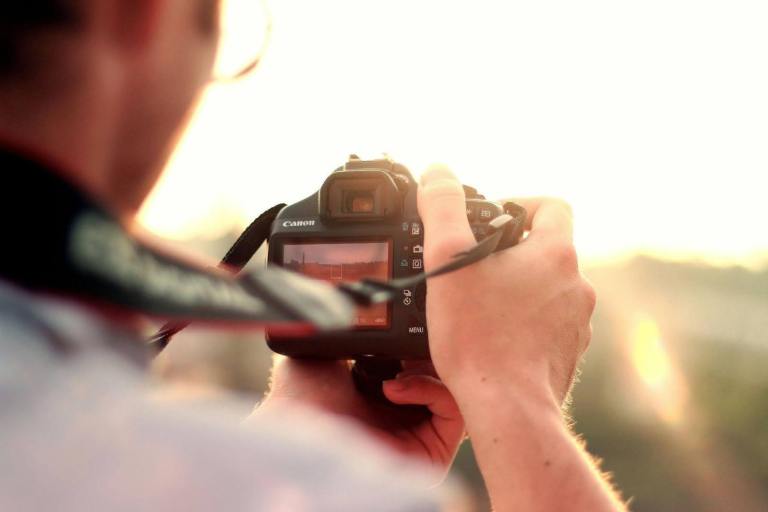
Image via Pexels
The Hobby Effect: How Everyday Interests Help Shape a Fuller Life
This article and content is brought to you courtesy of Charlene Roth and Safetykid.info. All Rights Reserved
More on Versatileer:
![wp-17395160624543865025805232841204.jpg]()
Featured Photo #4: Magic of St. Valentine in 2025 – Cupid on Long Avenue, Oak Forest
02/14/2025![20220523_103608.jpg]()
Featured Photo: Flower of the Day – The Picobella Rose Morn Petunia
11/14/2022![the master of midnight__BUTTON.jpg]()
Ends 02-21 – The Master of Midnight by William Michael Davidson Book Blitz + Paperback Copy Giveaway
02/10/2024![Are You Due an Overlooked Refund? Unclaimed Property]()
Are You Due an Overlooked Refund? Unclaimed Property
05/08/2018![Ebenezer Scrooge on Christmas Morning.jpg]()
Humbug Day – 2025
12/21/2025































Thank you for sharing this great post