Today was the World No Tobacco Day for 2025, the world’s largest annual campaign addressing forgetting tobacco products and smoking worldwide. The World No Tobacco Day is observed on the last day in May yearly.
Versatileer Brings you this post in regards to more safe living, through awareness of anyone’s addiction to nicotine.
🚬 Reasons to Honor World No Tobacco Day
🚬 World No Tobacco Day, 2025:
World No Tobacco Day is a day to unveil a yearly theme in a worldwide effort aimed at a healthy look at life and living. 2025’s theme is “Unmasking the Appeal: Exposing Industry Tactics on Tobacco and Nicotine Products”. This theme aims to uncover the manipulative strategies employed by the tobacco and nicotine industries to enhance the appeal of their products, particularly to youth and individuals who are new to nicotine.

Photo by ian dooley on Unsplash
🚬 Community:
They cannot achieve this independently; they need the backing and dialogue from their families, educators, and the broader community. Such discussions encompass policies aimed at prohibiting tobacco products that are marketed to young people. The Centers for Disease Control (CDC) reported that in 2018, there was an increase of 1.5 million young tobacco users. There is more health safety information available on the smoking by youth at:.

🚬 On a Worldwide Level:
Around the United States, teachers, youth leaders, and health advocates are holding events to promote a tobacco-free lifestyle. The Council on Alcoholism and Drug Abuse is joining this worldwide awareness day in local schools with creative activities to discuss healthy living.

World No Tobacco Day began as Kick Butts Day in 1995, and became World No Tobacco Day in 2020. The Campaign for Tobacco-Free Kids runs World No Tobacco Day.

There is no safe tobacco! According to Cancer.org, every type of tobacco poses risks. According to Cancer.org, tobacco has at least 70 chemicals that can cause cancer. Each year, about 130,180 people die from lung cancer in the U. S. , and tobacco use can also cause various other cancers.
 🚬 Reasons to Consider Not Smoking
🚬 Addiction:
Many people who smoke or chew tobacco do so because they depend on nicotine, which leads to a strong desire to consume it, even with known health risks. This article emphasizes that all forms of nicotine use whether smoking, vaping, or chewing represent a similar addiction. Although many smokers want to quit, about half attempt to stop each year. Nicotine addiction is often considered harder to overcome than other addictions, including heroin, with severe health, financial, and social consequences.
🚬 The Warning Signs:
An issue with smoking or tobacco use can be identified if individuals show several signs, such as an obsession with smoking, compulsion to smoke despite health advice, increased tolerance requiring more cigarettes, withdrawal symptoms when trying to stop, continuation despite negative effects, lying about smoking habits, financial interference, secrecy about smoking, or denial of addiction.

Cigarettes courtesy of Openverse
🚬 Health Problems:
The idea that smoking enhances sexual experiences is challenged. Smoking can create a temporary rush but may lower libido over time and lead to dependency on tobacco for pleasure. The combination of smoking with alcohol, drugs, or gambling can magnify addiction issues and result in serious medical and mental health problems, including cancer.
🚬 Risk Factors:
Certain risk factors are associated with smoking, including mental health issues, early age of initiation, gender differences in smoking habits, and nicotine’s quick effects on the brain that encourage repeat smoking. Addiction alters the body’s enzymes, contributing to sustained nicotine use. It can affect, but not limited to the following:
- Throat
- Larynx
- Mouth
- Esophagus
- Stomach
- Pancreas
- Colon
- Rectum
- Cervix
🚬 More Information on the Warning Signs:
Please see my article for further information on the above attributes:
Any day including today can be the day to reshape your life before it is too late. With all the problems related, including terminal health problems, shortening of life span, and even death: Make today the day!

Photo by Pawel Czerwinski courtesy of Openverse
🚬 Assessment of Problematic Smoking:
🚬 Signs of a Smoking Problem:
Indicators of a smoking issue encompass the following: The person answering may have a problem if two or more “yes” answers are true to these questions:
In the past year, has the person:
- Has the smoker had challenges to cease smoking, particularly following several unsuccessful efforts to quit?
- Has smoking ever made home life unhappy?
- Did smoking affect reputation?
- Has the smoker been classified as a smoker?
- Was there feelings of remorse after smoking?
- Did the smoker ever encounter withdrawal symptoms, which can include intense cravings, anxiety, irritability, restlessness, and/or trouble sleeping?
- Did smoking cause a decrease in ambition or efficiency?
- After smoking, did feelings to return to having another cigarette as soon as possible ever become an issue?
- Has a doctor’s advice to quit ever become an issue?
- Did buying more & more cigarettes often become an issue?
- Did borrowing, selling possessions to finance smoking ever become an issue?
- Has smoking led to the addiction to other substances or gambling, because the smoking just isn’t enough ever become an issue?
- Did reluctance to use “smoking money” for normal expenditures ever become an issue?
- Did smoking cause carelessness of the welfare of one’s self or family become an issue?
- Have smoking breaks become longer or less time in between?
- Did smoking due to anxiety, to escape worry, trouble, boredom, loneliness, grief or loss ever become an issue?
- Has the smoker ever committed, or considered committing, any illegal act in order to finance smoking?
- Has smoking ever caused difficulty or changes in sleeping patterns?
- Have arguments, disappointments or frustrations created the urge to smoke?
- Has an urge to smoke arisen due to good circumstances or a celebration ever become an issue?
- Has the smoker ever considered self-destruction, mutilation or suicide as a result of problematic smoking issues?
Obviously, the last question being a “yes” answer in the time of that activity assesses a serious problem, up to and including picking the phone up and calling 9-1-1. Positively having a “yes” with any of the other symptoms may indicate a problematic condition that may already have cause for concern. The more symptoms, the more urgent the need for change. As with any addiction, addiction is always a disease–and as much justification, rationalization, or denial as there may be, these conditions make treatment difficult. The disease of addiction in any form present several medical factors, and proper treatment by qualified health professionals can conduct a formal assessment of symptoms.

Photo by Robina Weermeijer on Unsplash
🚬 Resources on Assistance to Control:
🚬 Starting With a Primary Care Doctor:
For anyone thinking about treatment, talking to a primary care physician is an important first step—he or she can be a good source for treatment referrals. A primary care physician can also:
- Evaluate a patient’s disorder patterns
- Help craft a treatment plan
- Evaluate overall health
Individuals are advised to talk to their doctors, with complete honesty, about the best form of primary treatment. Delaying treatment does not assist the individuals overall physical, mental, spiritual and/or emotional health–time is not an asset when it comes to treatment. Things usually regress given more time and avoiding the problem through the use of denial. There are many of types of professionals that are involved in care. Many health professionals can play a role in treatment. Below is a list of providers and the type of care they may offer:
🚬 Options for Treatment:
There are several medical options to help people quit smoking. One option is Nicotine replacement therapy (NRT), which includes patches, gum, lozenges, nasal sprays, or inhalers to help with cravings and initial symptoms of quitting. Prescription medications like bupropion or varenicline can be prescribed by a healthcare provider to assist with withdrawal symptoms and cravings. Counseling, lifestyle changes such as exercise or cognitive behavioral therapy, and quitting cold turkey are also strategies to help quit smoking. Quitting cold turkey may be challenging due to the body’s relationship with nicotine.

Photo by Pexels
🔄 Support Group Assistance:
🚬 There Is Help Out There:
Overuse of substances including nicotine can affect people of all ages, races, sexes, and does not discriminate. It could be any member of your family, a friend, co-worker or acquaintance. Also, if someone involved with alcohol is an addict, the chances of relapsing back to a substance dependency are very high during and after drinking. It is really important to note that when someone does have a problem, that unless they are true to themselves and not only seek help, but want a change in lifestyle–all the help in the world will not assist them.
Mutual-Support Groups:
- Nicotine Anonymous, for persons directly seeking membership if they think that they are an addict, with or without the combination of a cannabis use problem.

- Other 12-step programs. . .
All 12-step programs provide peer support for people quitting or cutting back on problematic use of nicotine. Mutual support is the leading successful treatment to not just smoking, but any addiction. If someone needs support on an issue of problematic nicotine use, substance disorder or gambling disorder, pick up the phone and call the support line at 1-800-662-HELP (4357). If someone you love is thinking about suicide due to a nicotine problem, or in general, the 24-hour Suicide Prevention Line is 1-800-273-TALK. If someone is in grave danger, always call 9-1-1.
The day of The World No Tobacco Day was arranged to celebrate the recovery from the symptoms of use of nicotine. a day off is an excellent beginning. If you successfully navigate through the first day, your likelihood of experiencing a heart attack begins to diminish, along with the risks associated with heart disease and stroke. After just one day, continue your efforts. By the second day, you may find that your sense of taste and smell improves. This enhancement occurs as your nerves recover from the effects of smoke exposure. The third day may present challenges, as nicotine exits your system and withdrawal symptoms may manifest. However, you possess the strength to persevere. After one month, you might observe an improvement in your breathing. Coughing may decrease, and your lungs could feel clearer.
There is room for anyone to realize that it is no joke to getting over problematic use of nicotine. The best ounce of prevention is to not at all get involved with smoking a cigarette, vape, cigar or chewing tobacco.

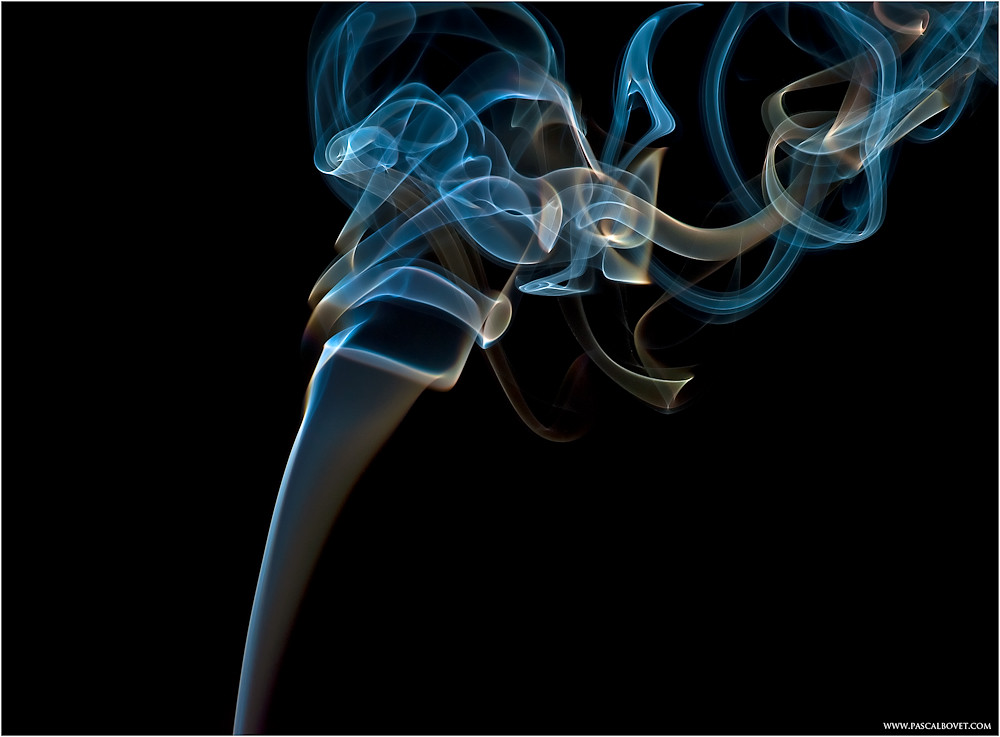
Smoke XII courtesy of Openverse
World No Tobacco Day
Take Down Tobacco National Day of Action – 2025 + Treatment Resources
More on Versatileer:
![wp-17014201121345947228197503711851.jpg]()
Featured Photo: Christmas Flower of the Day '23 – Bouquet #1
12/01/2023![florida_walt-disney-world-parade-procession-2-e1589074654807.png]()
Photo of the Day: Another Disney Festival of Fantasy Parade – Walt Disney World – Florida
05/09/2020![1618472_1449573745272578_820197559_n_.jpg]()
Featured Photo: Sunsets & Sunrises – Fall Photo in Batavia
03/30/2024![California_Ventura Freeway__Fujicolor 400.png]()
Photo of the Day: 11/07/19 – Off of Ventura Freeway, California
11/07/2019![wp-17611894535712870462194065883623.jpg]()
Featured Photo & Video: The 31 Days of Halloween – Day 23: Scare At GW's Gallows, Frankfort
10/23/2025




























Thanks for this post.
There are so many smokers , even to this day.