
In these days of hearing advertisements lately, I wonder if I can remember what true honesty and integrity are. With honesty we cover the positive attributes of accountability, loyalty, fairness, honor, commitment, transparency, truth, recognizing proper attribution and credit. Slipping into dishonesty or deceit brings on the degrading consequences of distrust, crisis, turmoil, fragmentation, stagnation, being found distanced from, and negative impact on society and in general. It is hard to believe in these days and times we could be so far from the truth. . .
May 22nd 2008 – Honesty courtesy of Openverse
✨ Honesty & Integrity Defined:
Honesty involves the commitment to being truthful and open in both speech and actions, while integrity encompasses the adherence to a robust moral framework, characterized by fairness and honesty.
- Honesty
The commitment to truthfulness and transparency in communication and actions, coupled with a refusal to engage in deceitful practices such as lying or stealing. - Integrity
The steadfast adherence to ethical principles and a moral code, ensuring that one remains trustworthy and unyielding to corruption. - Loyalty & Devotion
Loyalty signifies a steadfast faithfulness that endures despite any temptations to abandon, forsake, or betray. Devotion emphasizes a fervent commitment and service that reflects self-dedication, as seen in dedication to a person’s word and bond.

Photo by HaseebPhotography courtesy of Pixabay
💕 The Morals of Honesty & Integrity:
Both honesty and integrity are fundamental in fostering trust and cultivating strong relationships. When individuals exhibit these qualities, they enable others to have confidence in their reliability and the veracity of their statements.
Key attributes of integrity include:
- Accountability: Taking responsibility for one’s decisions and actions, and being ready to face the consequences without deflecting blame onto others.
- Respect: Valuing others, irrespective of their status or position.
- Responsibility: Understanding obligations and fulfilling them diligently without complaint.
In a professional setting, integrity can be demonstrated by consistently meeting deadlines and honoring commitments. Additionally, maintaining integrity involves being candid and straightforward if the ability to fulfill a commitment is compromised.
🫶🏽 The Ethics of Honesty & Integrity:
Honesty and integrity are interconnected principles that emphasize ethical conduct and the importance of doing what is right, even in the absence of oversight. Below are several instances that illustrate honesty and integrity in practice:
- Accountability: Accountability is also a ethic as well as a moral. Acknowledging errors and being transparent about them with others. For instance, failing to meet a a goal that was set, it is important to communicate the reasons to the person/people and reflect on how to prevent similar issues in the future.
- Trustworthiness: Maintaining honesty and refraining from making misleading or false statements.
- Open communication: Being forthright and sharing relevant information, even when it may be challenging or uncomfortable.
- Respect: Respect is also a ethic as well as a moral. Demonstrating consideration for others and treating them equitably. For example, if somebody entrusts with a task or being in charge of something or someone, it is essential to handle the duty responsibly.
- Preparedness: Arriving punctually and being ready to undertake assigned tasks. In the event of a conflict or emergency, always letting people know what the conditions are that are lacking in carrying out a task, operation or duty.
- Commitment to promises: Making commitments and ensuring they are fulfilled.
- Assisting others: Willingly offering help to others, including those that are not known, whenever possible.
- Promoting ethical behavior: Fostering an environment where ethical considerations are integral to all decision-making processes and actions.
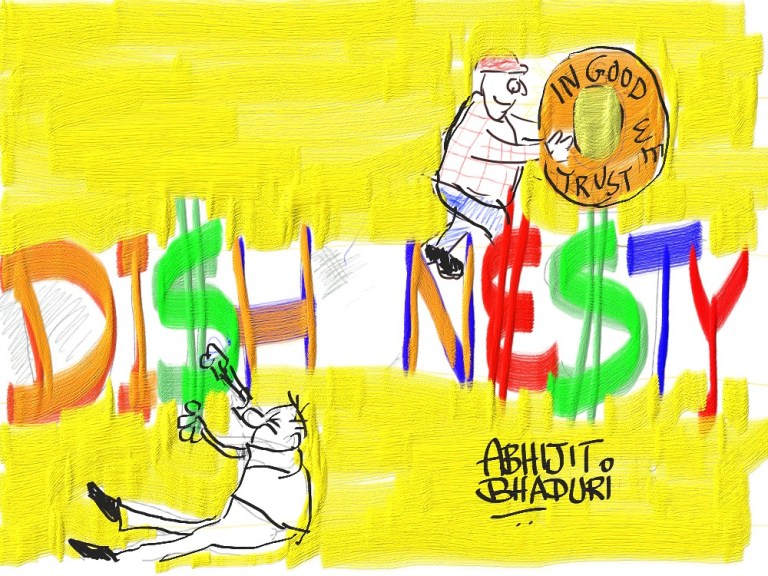
dishonesty courtesy of Openverse
✨ Dishonesty & Impropriety:
Dishonesty and impropriety are not too hard to practice for the majority of people. Yet some individuals still struggle to focus as they grapple with the consequences of their dishonesty while attempting to navigate life authentically.
💕 Examples of Dishonesty:
Dishonesty encompasses a broad range of deceptive actions, including lying and cheating. It can manifest in various settings, such as educational institutions, business environments, and public trust. One of the most detrimental forms of dishonesty is self-deception, which can lead to numerous personal challenges. Below are several examples of dishonest behavior:
- Cheating: Engaging in unethical practices to achieve academic success or evade failure, such as creating fraudulent certificates.
- Plagiarism: Appropriating another person’s ideas or work without proper attribution.
- Fabrication: Misrepresenting or altering the source or content of information.
- Multiple submission: Presenting work for which credit has already been awarded without the consent, or taking the credit scrupulously.
- Unauthorized submission: Submitting projects that have previously been prohibited or explicitly requested not to be developed, and proceeding to present them regardless of the established conditions.
- Deceitful behavior: Leading others to believe in falsehoods.
- Falsification: Discrepancies in maintaining accurate administrative, financial or time records.
🫶🏽 The Residual effects of Dishonesty:
With dishonesty the act of getting caught can be express and/or implied. Especially with public statements, or media posts, people will see a dishonest statement, address it and respond to it, whether or not you know it. Some consequences can include:
- Losing an opportunity: When an employment or social opportunity presents itself, being caught in a dishonest position, such as a lie or misrepresentation can stack express and implied consequences. Because people often feel uncomfortable to tell the person that it was indeed a dishonest outcome that was detected being was the final decision of that missed opportunity, the situation will often remain implied.
- Being fired from a job: Maintaining honesty on a jobsite is integral and often referred to in most employee handbooks at hiring. The consequences of being dishonest in a jobsite most often will result to being fired and sketchy as to whether the termination can be followed up with unemployment insurance.
- Losing a position or demotion: Being untrustworthy whereby firing is not the outcome can also put an employer in a position whereby demotion and cut in salary to be the consequences of being dishonest.
- Losing an election: Respect for running in an election whereby the dishonesty is detected will often result in the loss of an election. People demand the integrity of a candid official to be in a position of faith, hope and prosperity. THis is true in election of board members and political campaigns.
- Loss of revenue: An act of dishonest decisions may yield a short term gain, but in medium and long term, always yields negative consequences and lost future revenue.
- Not being able to face the public: After being caught in a dishonest situation, it is often very difficult to address anyone in a public or even semi-private situation due to remorseful feelings
- Depression: By actively being deceitful, people often experience some type of depression due to the effects of consequences and adverse spiritual loss. Some of these consequences can be such a bitter pill that even the thought of suicide can become a direct consequence of dishonesty.
- Being dishonest to one’s self: Fostering an dishonest platitude can often result in the presentation of denial. Denial is a key factor to indicating a situation of a possible pathological liar, which can be diagnosed as a medical condition.
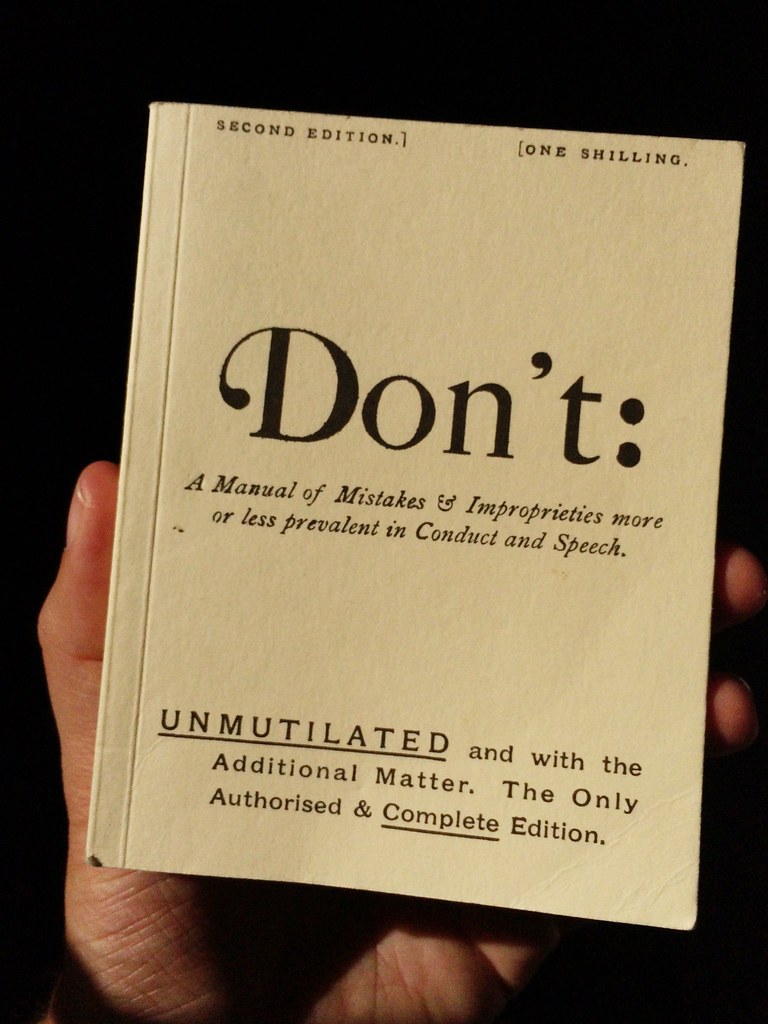
Don’t: A Manual of Mistakes & Improprieties more or less prevalent in Conduct and Speech courtesy of Openverse
✨ Examples of Impropriety:
Impropriety refers to a breach of established etiquette, social norms, or behavioral standards. It may also encompass actions or conduct that are deceitful, ethically questionable, or unsuitable for individuals in positions of authority. Not being dressed for the occasion can also lead to not only uncomfort for the majority of people at an event or scene. Below are several examples of impropriety:
- Arriving at a formal dinner gathering with pockets filled with appetizers.
- Donning a bikini top and sarong while attending a religious service.
- Utilizing language or gestures that may be interpreted as excluding, marginalizing, or offending groups that are socially disadvantaged or subjected to discrimination.
- A person of lesser status addressing a gathering of gentlemen and courtiers directly, demanding their attention for his topic without any preliminary remarks.
- Misappropriating funds collected on behalf of for instance an employer, by placing them in a personal wallet instead of promptly delivering them to the proper owner or employer.
💕 The Consequences of Dishonesty & Impropriety:
Dishonesty can result in a variety of repercussions, including:
- Erosion of trust: Dishonesty can diminish trust both within society and towards the individual who engages in deceit.
- Identity confusion: Persistent lying may cause an individual to experience an identity crisis, blurring the lines between their authentic self and the false persona they project.
- Unforeseen repercussions: Dishonesty can lead to unforeseen outcomes when individuals prioritize values other than honesty.
- Disrupted relationships: Deceptive behavior can fracture social networks.
- Reduction in integrity: A culture of dishonesty among peers can contribute to a general decline in personal integrity.
- Academic repercussions: In educational environments, engaging in academic dishonesty can hinder a student’s ability to enroll in or complete subsequent courses.
- Societal ramifications: Dishonesty can elevate transaction costs, compromise security, and disrupt the functioning of the political system.
- Consequences for the deceiver: Individuals who are caught attempting to mislead others may encounter significant negative repercussions.
- Being distanced from Higher Power: Individuals who willingly and knowingly continue to go down the path of a dishonest lifestyle distance themselves from the higher power that grants serenity and forgiveness, and is a definitive way to continue on the lower end of the crossroads to a better way of living life.

Lies courtesy of Openverse
🫶🏽 How Can Someone Tell Dishonesty:
There is no definitive method to ascertain whether an individual is being dishonest; however, certain indicators may suggest deceit. These include:
- Eye contact: A lack of eye contact or a tendency to avert one’s gaze may signify discomfort, anxiety, or untruthfulness.
- Excessive hand movement: Engaging in excessive hand gestures while speaking may suggest an attempt to mislead.
- Head shaking: Nodding in disagreement with one’s own statements can be a sign of dishonesty.
- Blinking: The act of lying may necessitate greater cognitive effort, and studies indicate that individuals may blink less when they are deeply focused.
- Fidgeting: Restlessness or fidgeting can be indicative of anxiety or deceit.
- Doubling down on deception: Individuals who are particularly vehement in their denials or falsehoods are often the most likely to be culpable.
- Embellishing lies: Compulsive liars may enhance their fabrications with elaborate details, narrate dramatic tales, or exhibit signs of anxiety during their discourse.
- Grooming behaviors: Manipulating hair or touching one’s lips can serve as a signal of dishonesty.
- Physical changes: Symptoms such as increased perspiration, muscle tension, restlessness, and fidgeting may reflect a fight-or-flight response.
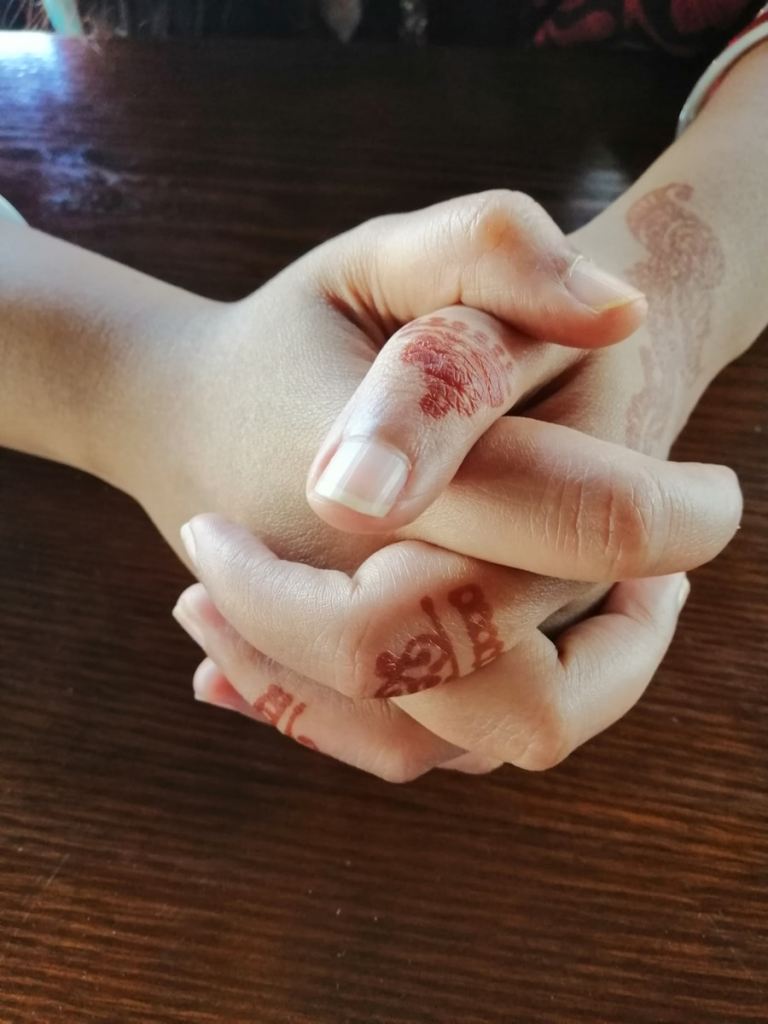
Photo by Rakib Azad on Unsplash
✨ What is Loyalty?
Loyalty is an emotional quality that can be defined by various characteristics. In the realm of business, loyal customers hold significant importance as they can account for a substantial portion of a company’s sales revenue. Despite constituting a relatively small segment of the overall customer base, they may generate as much as 70% of a company’s income. Loyalty encompasses several key attributes, including:
- Faithfulness: Adhering to commitments, fulfilling plans, and remaining steadfast until the conclusion.
- Honesty: Establishing trust with people, which fosters loyalty.
- Respect: Demonstrating appreciation for others can enhance trust and loyalty.
- Support: A sense of obligation or assistance towards an individual or entity.
- Trust: Loyalty can cultivate trust, which in turn can enhance productivity, satisfaction, and a feeling of achievement.

Loyalty Cards courtesy of Openverse
💕 Conclusion:
We do not have to live in a bubble of negativity. We can break free of the chains of dishonesty, impropriety and disloyalty. . .and owe ourselves the break! Even in a world like Billy Joel stated:
…Honesty is such a lonely word
Everyone is so untrue
Honesty is hardly ever heard
And mostly what I need from you…
It is essential for us to contribute to the reduction of dishonesty in the world rather than allowing it to proliferate. Embracing honesty not only enhances our general well-being, emotional state, and spiritual health, but it also promotes a more relaxed lifestyle and improves our overall mood throughout the day and year. Furthermore, those in our vicinity will experience an uplift in their lives, which will be evident. A life devoid of honesty is fraught with difficulties, whereas a life grounded in honesty paves the way for new opportunities.
Hashtags:
#Honesty #Integrity #Loyalty #Accountability #Fairness #Honor #Commitment #Transparency #Truth

Stonegate walk – honesty jar courtesy of Openverse
Honesty, Integrity & Loyalty
More on Versatileer:
![Christmas Tree Aisle_VELVET__BLACK FRIDAY_TRANSP.jpg]()
Happy Small Business Saturday – 2021 + A Great List of Links to Your Favorite Stores
11/27/2021![Overpaid.jpg]()
The Charity Donation...Make It Count – Non-profit Compensation Packages
05/30/2024![INSTA_ArtoftheChase.png]()
Ends 02-14 – Art of the Chase of Jennifer Giacalone Book Blitz + Signed Copy & Four Little Tins of T...
02/04/2024![wp-17395166750745669803787082349482.jpg]()
Featured Photo #5: Magic of St. Valentine in 2025 – Cupid on Central Avenue, Oak Forest
02/14/2025![20190905_175615.jpg]()
Happy Mother's Day!
05/10/2020






























Great post