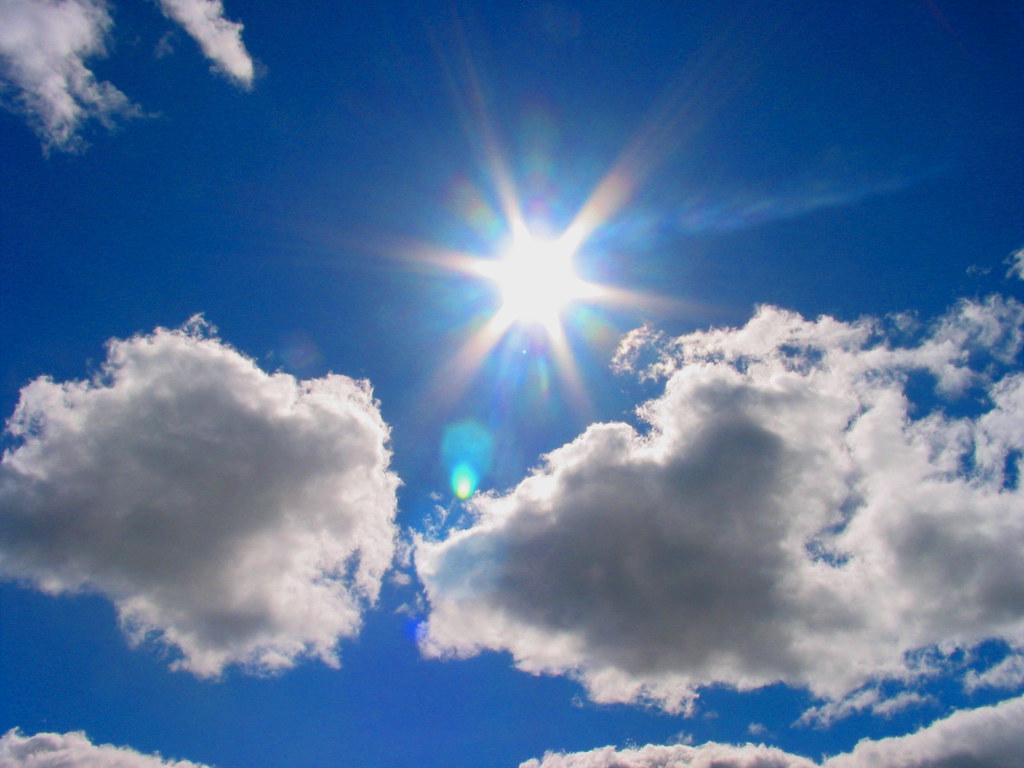
Summer within hours: Welcome. . .S–U–M–M–E–R ! ! Today marks the first day of the 2024 summer season. As we move into summer, the maximum amount of Sun exposure is imminent towards north, maximum length days in the northern hemisphere, and the highest solar indexes are measured in the northern hemisphere–with nearly two-thirds of sunlight, and one-third nighttime hours. Here are some facts and trivia. . .
☀ ☼ ☀ ☼ ☀ ☼ ☀ ☼ ☀ ☼ ☀ ☼ ☀ ☼ ☀ ☼ ☀ ☼ ☀ ☼ ☀ ☼ ☀
Facts:
Timing: Later today–Thursday, June 20, 2024, at 3:50 pm CDST, this afternoon.
Official scientific name: Summer solstice (Winter solstice in the southern hemisphere, including Australia) – Proto-Indo-European word meaning “to burn, or be on fire.” + “stand still”.
Unequal timing: Day and night are as different as possible between the North Pole and the South Pole, with short hours on the southern hemisphere’s winter start and longest days possible in the northern hemisphere. There is just under two-thirds of the total amount of sun illumination hitting the earth on the day that starts summer, with just over one-third of that illumination making it into the southern hemisphere. Since the sun stops going north at the Tropic of Cancer which is at about 30° north latitude. If it were to make it to 33°, it would be true two-thirds/on-thirds distribution of illumination but falls short by a few degrees.
Sun’s position: The sun rises and sets the furthest point north than any other day. The sun’s noon position is the highest than any other day. The earliest sunrise was earliest a 10 days ago and the latest sunset is going to be 10 days from now, and that is how Isaac Newton discovered the elliptical orbit of the earth going around the sun.
Tropic of Cancer: The sun is directly overhead (the zenith) at the Tropic of Cancer at high noon today.
Day for the north pole and night for the south pole: Summer in the month of June means the sun is as far from shining in Antarctica as possible and is omnipresent for 24 hours a day on the North Pole and stays lit for six full months. It is also the median day of the six-month period whereby it stays light all day on the North Pole and stays dark directly on the South pole for six months. The sun is at the highest point of the daily clock of the sun literally revolving round and round, day by day on the North Pole.
Shadow and shine: The earths tilt casts the shadow on the earth unevenly, meaning longest shadows on the southern hemisphere and the shortest on the northern hemisphere. both have the largest difference daylight and nighttime, at about 15 hours in the northern hemisphere, and 9 hours in the southern hemisphere. the night is a mirror, but there is twilight, especially the further north you go. In upper Minnesota, there are days with only less than three hours of pitch-black night before it recedes again to sunrise. The twilight in the winter is at or about an hour. In the summer especially towards today, it is almost two hours before it is really pitch black (when the sun is down by 18 degrees). Also, the further north, the largest difference between the periods of twilight, the civil twilight, nautical twilight, and astronomical twilight because of the ever-increasing angle of the sun going around by its latitude versus altitude and effect of winding down the longitude versus azimuth compared to the point on the earth. The longer shadow stops more illumination by blocking the sunlight for the southern hemisphere’s winter, and also the angle of the sun causes the most mount of sun to bounce back into space.

Elaine Bernadine Castro at Pexels
Need for sunglasses: Sunglasses are very necessary because of the fact that the sun is brighter, and the morning and evening hours of sunlight are so extended while it creeps up–with the light winding more horizontally for up to two more hours as the sun going into the day, than for the comparison of to the winter months of the sun going down away from the day. For your own safety, to your discretion, sunglasses are a recommendable item.
Astronomical not meteorological: The summer season start is astronomical. Meteorological start of spring began on June 1, ironically on the same day that started the hurricane season.
The moon: The full moon is always a reflection of the night. So, a full moon It rises exactly when the sun sets and sets when the sun rises. It follows the shadow of the sun exactly. It’s up in the sky approximately where the sun was 6 months ago. So that means that a full moon in summer looks just like a sun does in winter, very low in the southern sky. A short span of its night path goes. The full moons on the summer side are all under 12 hours. They are spent in their days of going through the constellations of Libra, Scorpius, Sagittarius and Capricorn.
What Does the Solstice Look Like from the U.S. Satellite?

Example of Summer Solstice (today’s satellite image)

Worldwide example

Summer Activities Enjoyed:
Baseball, hot dogs, apple pie, picnics, camping, bonfires, vacations, trips, going to beaches and lakes, boating, fishing, tie die shirts, going in the pool, Popsicles, ice cream, water balloons, going to a carnival or amusement park, walking, outdoor fitness, care for gardens and lawns, jumping rope, outdoor movie night hopscotch–or sidewalk chalk, and stargazing. . .and MORE!
| 2024-2025: Season Starts (Meteorological & Astronomical) | ||||||||||||||||||||||||||||||||||||||||||||||||||||||||||||||||||||||||||||||||||||||||||||||||||||||||||||||||||||||||||||||||||||||||||||||||||||||||||||||||||||||||||||||||||
| Northern Hemisphere Index: 🌴: Meteorological Summer Starts | ☀️: Summer Solstice 📚: Meteorological Autumn Starts | 🍁: Autumnal Equinox ⛸: Winter Solstice: Meteorological Winter Starts | ⛸: Winter Solstice 🌈: Meteorological Spring Starts | 🌷: Vernal Equinox |
||||||||||||||||||||||||||||||||||||||||||||||||||||||||||||||||||||||||||||||||||||||||||||||||||||||||||||||||||||||||||||||||||||||||||||||||||||||||||||||||||||||||||||||||||
|
|
|
||||||||||||||||||||||||||||||||||||||||||||||||||||||||||||||||||||||||||||||||||||||||||||||||||||||||||||||||||||||||||||||||||||||||||||||||||||||||||||||||||||||||||||||||
|
|
|
||||||||||||||||||||||||||||||||||||||||||||||||||||||||||||||||||||||||||||||||||||||||||||||||||||||||||||||||||||||||||||||||||||||||||||||||||||||||||||||||||||||||||||||||
|
|
|
||||||||||||||||||||||||||||||||||||||||||||||||||||||||||||||||||||||||||||||||||||||||||||||||||||||||||||||||||||||||||||||||||||||||||||||||||||||||||||||||||||||||||||||||
|
|
|
||||||||||||||||||||||||||||||||||||||||||||||||||||||||||||||||||||||||||||||||||||||||||||||||||||||||||||||||||||||||||||||||||||||||||||||||||||||||||||||||||||||||||||||||
|
|
|
||||||||||||||||||||||||||||||||||||||||||||||||||||||||||||||||||||||||||||||||||||||||||||||||||||||||||||||||||||||||||||||||||||||||||||||||||||||||||||||||||||||||||||||||
|
||||||||||||||||||||||||||||||||||||||||||||||||||||||||||||||||||||||||||||||||||||||||||||||||||||||||||||||||||||||||||||||||||||||||||||||||||||||||||||||||||||||||||||||||||

Earth-lighting-summer-solstice EN courtesy of Openverse
|
Global June Solstice Dates – 2024-2027 |
||
| Year | Summer Solstice (Northern Hemisphere) |
Winter Solstice (Southern Hemisphere) |
|---|---|---|
| 2024 | Thursday, June 20th at 3:51 p.m. | Thursday, June 20th at 3:51 p.m. |
| 2025 | Friday, June 20th at 9:42 p.m. | Friday, June 20th at 9:42 p.m. |
| 2026 | Saturday, June 20th at 3:24 a.m. | Saturday, June 20th at 3:24 a.m. |
| 2027 | Monday, June 21st at 10:11 a.m. | Monday, June 21st at 10:11 a.m. |
The Present:
Summer is HOT! It will remain for the next three months. ENJOY!!
The Future:
Every year, we can enjoy the trill and suspense of the nice blessings of summertime! Now and in years to come. . .
FREEBIES & DEALS For Summer:
👩👧 FREE: Summer: Fonts
👩👧 FREE: Summer: Summer Craft + Printable
👩👧 CHEAP: Summer: Ideas, Crafts & Worksheets
👩👧 FREE: Summer: AT “Hey It’s Free”
Hashtags:
#Summer #SummerSolstice #SummerTime #SummerIsHere #SummerDay #SummerVacation #SummerFlowers #SummerVibes #LongSummer #SummerStart #SummerStartsNow #SummerOfLove #Beach #Sun #Sunset #Baseball #HotDogs, #ApplePie, #Picnic, #Camping #Vacation #Trips #Boating #Fishing #TieDieShirt #Pool #Popsicle #IceCream #WaterBalloons #Carnival #AmusementPark #Walk #Walking #OutdoorFitness #Garden #Lawn #OutdoorMovieNight #Hopscotch #SidewalkChalk #Stargazing

Summer Sunshine courtesy of Openverse
Have a wonderful HOT season of. . . S–U–M–M–E–R ! !
Happy Summer!
More on Versatileer:
![Winter Song Birds - a Vintage Christmas Card Illustration.jpg]()
My Christmas Card – 2025: Merry Christmas!
12/25/2025![Magic of Saint Patrick '24.gif]()
Magic of St. Patrick in 2024
03/03/2024![INSTA_LegendofWildlings.png]()
Legend of the Wildlings by Brittney Brewer Cover Reveal – Release Date Coming November 14th
09/05/2023![20221216_142009.jpg]()
Featured Photo: Christmas Flower of the Day – Bouquet #11
12/27/2022![Daylight Saving Time.jpg]()
Spring Ahead! Reset Your Clocks Tonight – 2025
03/08/2025






























I can’t wait until this heat wave ends
Wooo hooo! Summer is my ultimate favorite season – I cant wait! 🙂