

In these days of hearing advertisements lately, I wonder if I can remember what true leader and even a follower is. Of course here at Versatileer, we love the follower, but the type of follower I am critiquing is an organizational follower, and the term follower is not a bad term: it is intended to be a great term. So in this article, I am featuring what a good leader and a good follower are, how the roles overlap–and also how a bad leader or follower are attributed to the roles. . .

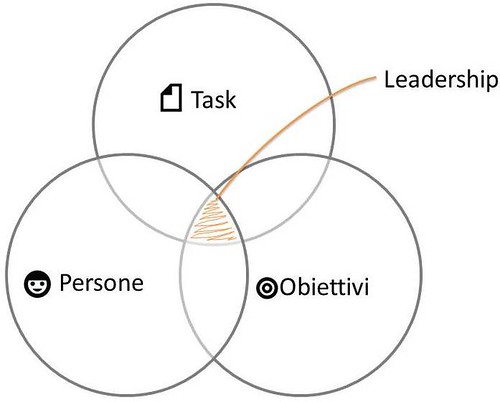
Leadership courtesy of Openverse
✨ Leaders, Followers + the Overlap:
The role of having great leaders, great followers make for a virtuous and see-free continuity to assist in making a great combination to running a business, organization, or club.
- Leaders
Establishing vision and direction, Making decisions, Embracing risk, Inspiring others, Taking responsibility, and Enabling others. - Followers
Assisting the leader, Executing plans, Engaging in active listening, Adhering to instructions, Demonstrating adaptability, and Exhibiting loyalty. - Common overlap roles (shared characteristics)
Effective communication, Dedication to objectives, Collaboration, Optimistic outlook, and Reliability.


Comparing leadership cultures and creating change courtesy of Openverse
💕 The Distinctive Traits of Leaders:
Leaders are chiefly tasked with defining the vision, making critical decisions, and inspiring others to reach objectives, frequently engaging in risk-taking and driving change.
Key attributes of a good leader:
- Defining the vision: A vision statement articulates the long-term aspirations of a company, typically spanning a period of five to ten years, and occasionally extending beyond that. It provides a clear picture of the company’s future state and establishes a specific pathway for the formulation and implementation of corporate strategies.
- Making critical decisions: Critical key points in a decision making process must be executed in order to have a thorough process. Here are some points:
- Avoid making assumptions: Engaging in critical thinking necessitates the pursuit and application of verified information, thereby minimizing the likelihood of assumptions that could result in errors.
- Recognize bias: Critical thinking plays a crucial role in uncovering biases that may distort the approach to a given problem.
- Enhance problem-solving abilities: The integration of critical thinking and problem-solving skills is vital in the business environment, particularly in high-pressure situations.
- Strengthen decision-making processes: Leaders equipped with critical thinking skills are better positioned to collect and analyze information, allowing them to extract essential data. This practice ensures that decisions lead to favorable outcomes while reducing the potential for mistakes.
- Encourage creativity and innovation: Critical thinking empowers teams to transcend traditional ideas and biases, fostering a culture of creativity.
- Anticipate risks: Through critical thinking, organizations can foresee potential risks before they materialize.
- Refine language and presentation capabilities: Critical thinking enhances language and presentation skills by facilitating the organized expression of ideas.
- Inspiring others to reach objectives: Inspirational leaders motivate individuals to reach their full potential by empowering and nurturing their development. They foster an environment characterized by trust and accountability, cultivating loyalty and commitment within their teams. The following are several methods through which leaders inspire others:
- Articulate a vision: Leaders inspire by presenting a compelling vision that aligns the team around a common purpose.
- Foster development: Leaders commit to the growth of their team members through mentoring, coaching, and by granting them responsibilities along with the freedom to make decisions.
- Cultivate trust: Leaders build trust by demonstrating authenticity, reliability, and integrity in their actions.
- Practice active listening: Leaders inspire by engaging in attentive listening and valuing the contributions of all team members.
- Exhibit empathy: Leaders inspire by recognizing the importance of individuals feeling seen, heard, and understood.
- Pursue continuous learning: Leaders inspire by actively seeking knowledge from others while also sharing their own insights.
- Champion change: Leaders inspire by maintaining a clear vision for the future and actively promoting progress.
- Loyalty: Some other things to consider about loyalty in corporate leadership include:
- Balancing loyalties: Leaders must be able to balance their loyalties among all the potential recipients.
- Avoiding conflicts of interest: Leaders must avoid taking advantage of corporate opportunities for personal gain.
- Avoiding making business agreements without permission: Employees should avoid making business agreements without permission.
Successful leadership often entails empowering followers and fostering their input.


Photo by StartupStockPhotos courtesy of Pixabay
🫶🏽 The Distinctive Traits of Followers:
Followers concentrate on actively listening to and supporting the leader’s vision, adhering to directives, and playing a vital role in the team’s achievements.
- Concentrating and listening to, supporting the leader’s vision: Here are some ways to support a leader’s vision in corporate leadership:
- Articulate the vision: A leader must effectively and enthusiastically convey their vision, ensuring it is aligned with the organization’s core values and objectives.
- Establish trust: Exhibit reliability and set a standard through personal conduct.
Engage the team: Solicit feedback from team members and involve them in the process of defining the vision. This approach fosters a sense of shared ownership. - Encourage and uplift: Emphasize the advantages of the vision and its potential to yield beneficial results.
- Ensure relevance: Frame the vision in a manner that connects it to the specific roles and contributions of each team member.
- Reflect on your own principles: Ensure that your vision is in harmony with your personal values, allowing you to lead authentically.
- Adhering to directives: Directive leadership is characterized by a style in which the leader establishes explicit guidelines and regulations regarding the execution of tasks, while closely supervising their team to ensure compliance. This approach can prove beneficial in specific contexts, particularly when employees require clarity regarding their roles and responsibilities, or during times of organizational crisis. Nonetheless, it also presents certain drawbacks, including:
- Limited creativity: This leadership style may stifle the creative and innovative capabilities of team members.
- Excessive dependence: Team members might become too reliant on detailed instructions, leading to a reluctance to take initiative.
- Inflexibility: A stringent approach can hinder the ability to adjust to evolving circumstances.
- Diminished ownership: When employees lack a sense of responsibility or ownership over their tasks, it can result in reduced productivity.
- Ways to maximize directives: Recommendations for effective directive leadership encompass the following:
- Recognize trade-offs: It is essential to recognize the trade-offs involved in your decisions.
- Adhere to factual information: When presenting a plan, focus on factual details, including who is involved, what the plan entails, when it will occur, and how it will be executed.
- Allocate time for inquiries: Ensure that ample time is provided for questions.
- Address objections: Be prepared to address any objections that may arise.
- Supporting the leader:
- Ensure clear communication: It is essential for leaders to effectively convey the organization’s mission to both employees and customers.
- Practice empathy: Demonstrating empathy fosters trust and support, thereby enhancing teamwork.
- Set a positive example: Exhibit a commitment to the organization’s success by putting in additional effort.
- Engage in active listening: Attentive listening is crucial for cultivating strong relationships and enhancing productivity.
- Provide meaningful feedback: Constructive feedback helps employees understand their strengths and areas for improvement.
- Show commitment: Display loyalty to your leader.
- Propose solutions: Actively suggest solutions to challenges.
- Share information: Ensure that relevant information is accessible to your leader.
- Take proactive steps: Initiate actions that support your leader’s objectives.
- Be dependable: Maintain reliability and treat your supervisor with respect.
- Implementing plans: Here are several essential elements involved in executing plans within corporate leadership:
- Strategic Planning: Leaders develop a comprehensive plan that delineates the organization’s objectives and the methods to achieve them. This process of strategic planning aids in pinpointing areas that require enhancement and facilitates informed decision-making.
- Effective Communication: It is imperative for leaders to convey information clearly to both employees and customers, ensuring that the company’s mission is well understood.
- Alignment: Leaders are responsible for fostering alignment within the organization, ensuring that all members comprehend their roles and the rationale behind them. This alignment is crucial for securing commitment to the overarching vision.
- Ongoing Evaluation: Leaders should conduct regular assessments of progress, track outcomes, and relay findings to stakeholders to maintain transparency.
- Flexibility: Leaders must possess the ability to identify the necessity for change and take proactive measures to implement necessary transformations.
- Organizational Cohesion: It is vital for leaders to guarantee that all individuals within the organization share a unified vision for achieving the company’s success.
- Active listening: Here are several recommendations for practicing active listening:
- Cultivate self-awareness: Maintain an awareness of your conduct during discussions and refrain from interrupting.
- Inquire thoughtfully: Pose open-ended, clarifying, and probing questions to motivate the speaker to engage in self-reflection and address issues.
- Recognize emotions: Validate the speaker’s feelings of being overlooked and demonstrate your understanding of their perspective.
- Following instructions: Leaders can assist employees in adhering to instructions by:
- Clarity: Ensuring clarity and brevity
- Context: Offering context and specificity
- Questions answered: Inquiring if there are any questions
- Patience: Responding to questions with patience
- Implementation: Recognizing that the capacity to follow instructions is a skill that can be cultivated.
- Adaptability: Adaptability in corporate leadership refers to the capacity to remain flexible and responsive to changes within the business landscape. Effective leadership in the contemporary business landscape requires a high degree of adaptability. This can pose difficulties, particularly for individuals who have previously achieved success through a specific methodology. Nevertheless, leaders who embrace adaptability are generally more inclined to achieve sustained success over time. Leaders who exhibit adaptability possess the ability to:
- Prepare for transformation: They evaluate potential adverse outcomes and strategize for change to maintain a competitive edge.
- Welcome innovative concepts: They are receptive to input from their colleagues and are eager to acquire new competencies.
- Foster creativity: They explore unconventional approaches and contemplate new pathways that may convert a change into a benefit.
- Exhibit resilience: They manage errors and challenges with poise and engage in constructive conflict resolution.
- Ensure effective communication: They assess the impact of change on others within the organization and relay this information to different departments and senior management.
- Loyalty: Loyalty in corporate leadership serves as a foundational principle, necessitating that leaders demonstrate unwavering commitment to their organization while prioritizing its welfare. This relationship is mutually beneficial; leaders cultivate loyalty through their strength, discipline, and courage, while dedicated employees offer the support and trust essential for leaders to thrive. The significance of loyalty in corporate leadership can be illustrated in several ways:
- Trust and Credibility: It is essential for leaders to ensure that their statements are consistent with their actions, fostering a belief in their integrity among their constituents.
- Acknowledging the Truth: Committed employees are more inclined to provide honest feedback, which can assist leaders in their development.
- Resilience: Leaders who demonstrate unwavering dedication and exhibit strength during challenging times cultivate the loyalty of their team members.
- Mitigating Burnout: Leaders should take the initiative to recognize early signs of burnout and adopt measures to alleviate its effects.
- Fostering Connections: Employees who are loyal often form deeper relationships, which encourages collaboration and the achievement of common organizational objectives.
An effective follower can also offer significant feedback and support to their leader.


DOE Secretary Steven Chu courtesy of Openverse
✨ Common Overlap Roles (Shared Characteristics):
Both leaders and followers require strong communication skills, a commitment to shared goals, a positive mindset, and reliability to operate effectively. Key points to remember: Although their roles are distinct, leaders and followers are mutually dependent and must collaborate for the best outcomes.
💕 Examples are a Role Model Not Just For the Workplace:
There are numerous avenues to cultivate leadership skills beyond the workplace, including:
- Volunteering: Take on leadership positions within community organizations, such as a church, homeowners’ association, or volunteer group. This experience can enhance your abilities in chairing meetings, managing projects, and resolving conflicts.
- Joining a professional association: Become a member of a professional association pertinent to your field or industry. Participation in events, webinars, or workshops, along with volunteering for committee, board, or task force roles, can be beneficial.
- Coaching a youth sports team: Leading a youth sports team can foster essential leadership qualities such as goal setting, strategic planning, and team-building.
- Starting a book or debate club: Organizing and facilitating a book or debate club can aid in the development of project management, influence, and problem-solving skills.
- Engaging in a side project: Pursuing a side project or hobby can enhance your skills in planning, execution, innovation, and evaluation.
- Seeking mentorship: Actively seek mentorship from seasoned leaders.
- Politics: Leadership in politics leads to the implementation of the method of providing direction, implementing plans, and motivating people. Various authors have proposed identifying many different leadership styles as exhibited by leaders in the political, business or other fields. The leadership can be a role model for future generations, and young people observe politicians’ behaviors.

Photo by mangomatter courtesy of Pixabay
🫶🏽 Examples of Bad Leadership:
Ineffective leadership within corporate environments can present itself in various forms, such as:
- Micromanagement: Leaders who excessively oversee and control every aspect of tasks can hinder creativity and demoralize their workforce.
- Ineffective communication: Leaders who fail to share information or do not engage in open and regular dialogue may leave employees feeling overlooked and undervalued.
Unreasonable expectations: Leaders who impose unattainable goals can result in a lack of support for their teams. - Authoritarian leadership: Leaders who insist on unquestioned compliance and suppress independent thought can foster a detrimental workplace atmosphere.
- Inconsistency in leadership behavior: Leaders who do not embody the principles they advocate can quickly lose their credibility.
- Resistance to constructive feedback: Leaders who are defensive or unwilling to accept constructive criticism may overlook significant opportunities for personal and professional growth.
- Confirmation bias: Leaders who dismiss viewpoints that differ from their own may find themselves challenged and compelled to justify their stances.
- Bad leadership outside of the jobsite: All the above attributes can be observed outside the workplace. It is especially bad for the leadership to be viewed by the upcoming generation. When people display a bad quality, and a young person observes this, it is not only an embarrassment, but puzzling to the upcoming generation. I heard a lot of bad vibe stories from children for instance when the official State of the Union address copy was ripped up in public and on the dais by the then Speaker of the House in 2020. This type of leadership is not only negative, but very immature and never acceptable in either of the corporate world or in any setting.
Ineffective leadership can result in numerous adverse outcomes, including missed deadlines, elevated employee turnover, diminished satisfaction among employees and clients, as well as reduced morale and productivity.


Corporate Demographics on Unsplash
✨ Examples of Bad Following:
Ineffective followers can pose a considerable obstacle to a leader’s vision and mission, potentially fostering a detrimental work atmosphere. Certain traits commonly associated with ineffective followers include:
- Resistance: Ineffective followers may contest the leader’s decisions, defy their authority, or sabotage their initiatives.
- Lack of commitment: Ineffective followers might place their personal interests above the organization’s objectives or exhibit indifference towards their duties.
- Negative influence: Ineffective followers can adversely impact the team’s morale, unity, and overall productivity.
- To effectively manage ineffective followers, consider the following strategies: Identify and address traits early. Recognizing and addressing these traits at an early stage can help minimize disruptions and promote a positive work environment.
- Understand the power of followers: Leaders can enhance their leadership capabilities by recognizing the influence that followers can exert on them.
- Be aware of the dark side of leadership: Leaders should acknowledge that the darker aspects of leadership are inherent to the human experience.
- Negative politics: Negative politics refers to actions that prioritize individual advantage over the welfare of others and the organization as a whole. Such behaviors may include disseminating false information, engaging in gossip, and deliberately concealing critical information.
Hashtags:
#Leaders #Followers #Leadership #Vision #Directive #Loyalty #Teamwork #Team #RoleModels

Photo by Nick Fewings on Unsplash
Good & Bad Leaders & Followers
